Remember When You Thought You Could Save the World?
/By: Joel E. Gordon
Do you ever look back and smile at those big ideas from your younger days? Remember when you thought you could save the world? As kids or teens, many of us pictured ourselves as heroes fixing everything wrong. As future law enforcement officers, we dreamed of fair laws, and happy communities. Those thoughts felt so real and full of hope.
But life has a way of changing that spark. Over time, though, doubts creep in. Why do we lose our passion to save the world? Jobs, bills, and daily grind pull us toward realism. It's a common shift, one that hits activists and dreamers alike.
Idealism starts early, often in playful moments that shape our views. Kids see problems and believe they can fix them. This drive comes from how our minds grow. It ties into bigger forces like family talks or school lessons. Understanding this helps us value those first big thoughts.
Children love to imagine grand fixes. They play pretend as superheroes or explorers. Jean Piaget talked about stages where kids build worlds in their heads. At this age, rules feel bendable, and anything seems possible.
Books and shows shape young minds too. A movie about saving forests can fire up a child. You can search for "inspirational stories to save the world" and find gems. Watch them together. Discuss what moves you. This builds a habit of looking for good in tough spots.

Teens often turn dreams into action. School projects on history or science light the way. They join clubs or start petitions. Back in the 1960s, young people marched for civil rights. Their energy changed laws. Today, a teen might lead a food drive or fight bullying online. Local groups offer safe starts. Join a community garden or debate team. These build skills and friends. Parents, guide without taking over. Let teens pick causes close to home. It teaches real steps, not just talk.
Dreams hit walls fast. Constant push leads to weariness. Systems fight back, and life demands pull you away. It's normal to feel let down. But knowing why helps you push through. Activism drains you. Always giving care leads to fatigue. Psychologists call it compassion fatigue.
One study from the American Psychological Association notes high stress in helpers. It builds up like a heavy backpack. Set limits; try short breaks with hobbies. This keeps you going without breaking.
Big changes need money and power. Jobs pay bills but eat time. Institutions resist shifts. Real cases prove persistence pays. Break tasks into bits. It beats feeling stuck.
Culture pushes "me first" vibes. After the 2008 crash, trust in groups fell. News highlights bad stuff, breeding doubt. Surround yourself with positive folks. Join meet ups for shared goals. Online chats can lift spirits too. Read uplifting books to shift views. Fight back by sharing small wins. It spreads hope, not gloom.
Real paths show the ups and downs. People start strong but face twists. These tales teach without blame. They remind us dreams can shift, not end.
You can wake that old fire. Start with why you cared. Build habits that last. Team up for more reach. Face blocks with steady steps. Look back at what lit you up to be called to a career in law enforcement. Simon Sinek says find your "why." Make a board with old photos or quotes.
Journal: What issues pull you? List three steps to touch it. This reconnects fast. Talk to old friends. Share laughs over past dreams. It sparks fresh energy.
Fake news muddies goals. Pick trusted sources. Apps like mindfulness build calm. Practice deep breaths during stress. Read one good story daily. It steels you. Connect offline too. Real talks beat screens.
We all remember when we thought we could save the world. Those dreams twist with time but hold power. From kid plays to adult fights, idealism faces tests like burnout and barriers. Yet stories show paths back, through reflection and small acts.
Key points: Find your why, build steady habits, team up, and stay tough. Start with your corner—family, job, town. It adds up.
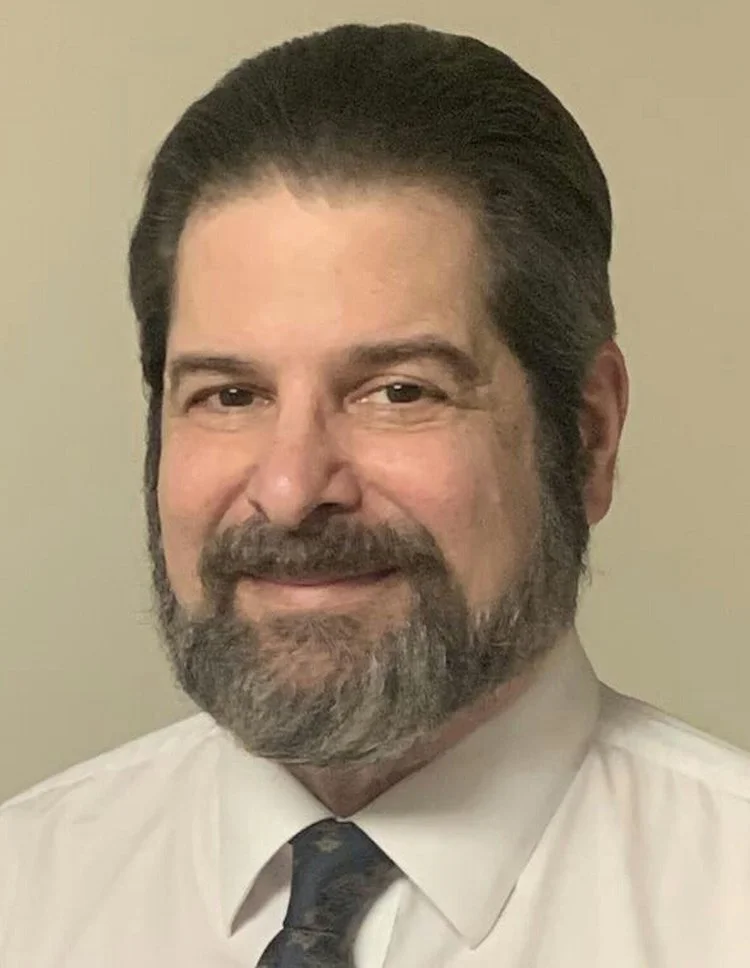
Joel E. Gordon, BLUE Magazine’s Editor-in-Chief, is a former Field Training Officer with the Baltimore City Police Department and is a past Chief of Police for the city of Kingwood, West Virginia. He has also served as vice-chair of a multi-jurisdictional regional narcotics task force. An award winning journalist, he is author of the book Still Seeking Justice: One Officer's Story and founded the Facebook group Police Authors Seeking Justice. Look him up at stillseekingjustice.com