
Rural Policing: Keeping Communities Safe in Wide Open Spaces
/By: Joel E. Gordon
Rural policing looks much different than city law enforcement. Wide-open spaces and fewer people make police work tough. It can take much longer for help to arrive. Often, there are not enough officers or equipment for everything. Officers often work alone more than in big cities. These factors, plus local economies and crime types, mean rural police need special plans. Their approach really differs from what you see in towns.
Rural officers often cover huge amounts of land. Imagine one deputy watching an area the size of several small cities. This can make it hard to get to a crime scene fast. Longer response times can also make people feel less safe. It also means officers can get tired quickly.
Departments in the country often have smaller budgets. This leads to fewer officers and less specialized gear. One officer might handle everything from a traffic stop to a serious crime. They often rely on help from other towns or the state. These teamwork agreements are critical for safety.

Good cell service and internet are not always available. This can make talking between officers and dispatch tough. People might struggle to report crimes online, too. It also means officers can't always check records or get information quickly. This makes coordinating responses in a crisis much harder.
Fewer people living far apart changes crime patterns. This isolation sometimes leads to more property theft or drug problems. Without many eyes watching, criminals might feel bolder. Getting everyone involved in preventing crime also becomes harder.
Rural economies often rely on farming or mining. When these industries struggle, it can affect everyone. Hard times might cause some types of crime to go up. For instance, more thefts could happen if jobs are scarce. Police need to understand these local money matters.
People in small towns often know everyone else. This can be a good thing for police. Officers might have an easier time talking to people. But it also means personal connections can complicate investigations. Officers must act fairly for everyone to trust them.
Technology helps rural police do more with less. Drones can search large areas quickly. GPS trackers help keep an eye on vehicles or evidence. Special radios ensure officers can talk even in remote spots. These tools boost how well officers do their job.
For instance, one county uses drones to find missing persons. Another equips all its patrol cars with advanced GPS. This makes sure the nearest officer always responds. These smart tools help rural agencies work better.
Even small departments use data to spot crime trends. They can look at past incidents to guess where problems might pop up. This helps them put officers where they are most needed. Collecting good data can be tricky in spread-out areas, but it's worth the effort.
Working with other police groups is key. Neighboring towns or state police often share resources. This can mean sharing officers for a big event. It might also involve combining efforts on a complex case. These partnerships make everyone safer.
Officers need to be part of the community. They can attend local fairs or school events. This helps people see them as helpful neighbors, not just authority figures. An officer who is visible and friendly builds good relationships. These connections are vital for trust.
Police also look at specific problems a community faces. Maybe there is a rise in ATV thefts. Officers would then create a plan just for that issue. This might involve patrols or teaching people how to secure their vehicles better. It addresses unique local crime trends.
Helping crime victims in remote areas is important. Officers often connect people with support groups or counselors. They might partner with local charities for this. Access to help, like mental health services, should be easy for everyone, no matter where they live.

Stealing farm equipment or livestock hits farmers hard. These crimes cause big financial losses. A stolen tractor can put a farmer out of business. It's a serious offense in many rural communities. Police work closely with farmers to track these items.
Illegal dumping scars our natural spaces. People sometimes abandon trash or chemicals in remote areas. This harms the environment and costs taxpayers money to clean up. Policing vast wildlands for these crimes is a real challenge. Special units sometimes focus on protecting the land.
Poaching, which is illegal hunting, hurts wildlife. It can also be linked to organized crime. Catching poachers in huge forests or fields is tough. Police often team up with wildlife agencies to stop these offenses. Together, they protect natural resources.
Rural roads and highways can become routes for drug runners. Small towns might seem like easy targets for dealers. This brings dangerous drugs into quiet areas. These networks exploit the isolation of some communities.
Drug addiction tears families apart in rural America. The opioid crisis has hit these areas hard. Overdose rates can climb, and treatment options are often far away. This creates big health and safety problems for everyone.
Police fight drug problems with different methods. They try to stop drugs from coming in. They also help people find treatment for addiction. Education programs teach young people about the dangers of drugs. Sometimes, special drug task forces handle these complex cases.
Some towns offer help with student loans for new officers. Others provide housing aid or good salaries. These perks make rural police jobs more attractive. These incentives help departments find good people. We need strong officers for our country towns.
Finding new officers in small, remote towns can be tough. There might not be many job applicants. Things like limited housing or job options for a spouse can make people hesitant. Schools might also be far away for families.
Officers who grew up in the area often connect better with residents. They know the roads, the people, and the local issues. Having local ties helps them earn trust quickly. Some departments look for recruits right from their own towns.
Rural officers need training for unique situations. They might learn about crash investigations on country roads. Wilderness survival skills are also useful for remote calls. Special training for farm accidents or natural disasters is also important.
De-escalation skills are crucial when backup is far away. Officers must handle tough situations calmly and effectively. Training like Crisis Intervention Team (CIT) helps officers deal with mental health emergencies. These skills keep everyone safer.
Police work can be stressful, especially in isolated areas. Departments need to support their officers' well-being. This might include peer support groups or easy access to counselors. Looking after mental health helps officers stay sharp and ready.
Rural policing is a demanding job. It asks for flexibility, smart thinking, and a deep understanding of local life. The challenges are clear: vast lands, few resources, and special crime patterns. Yet, new ideas and a focus on community help overcome these hurdles.
By using technology wisely and building strong ties with neighbors, rural law enforcement grows stronger. Investing in good training and officer support is also vital. This work helps police build trust and keep the people they serve safe. The future of rural policing depends on being proactive and putting the community first.
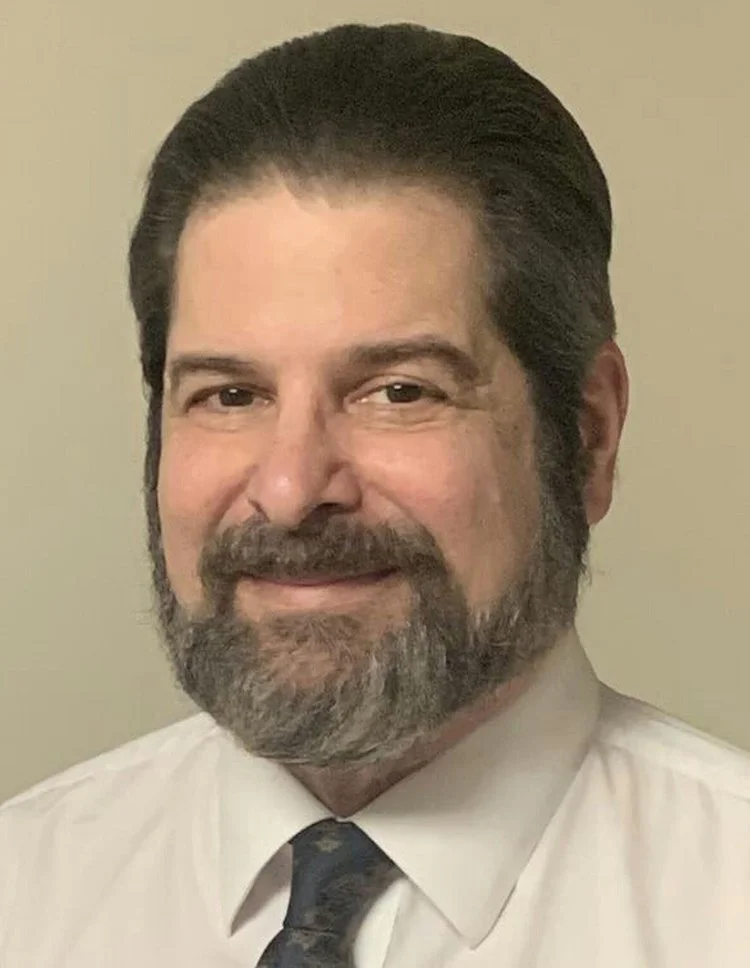
Joel E. Gordon, BLUE Magazine’s Editor-in-Chief, is a former Field Training Officer with the Baltimore City Police Department and is a past Chief of Police for the city of Kingwood, West Virginia. He has also served as vice-chair of a multi-jurisdictional rural regional narcotics task force. An award winning journalist, he is author of the book Still Seeking Justice: One Officer's Story and founded the Facebook group Police Authors Seeking Justice. Look him up at stillseekingjustice.com