
Can Police Officers Truly Leave Work at Work? Navigating Trauma, Responsibility, and Off-Duty Life
/By: Joel E. Gordon
Sound familiar? A cop finishes a grueling 12-hour shift, drives home, parks the car, and steps inside. But that knot in the stomach? It doesn't untie. Every siren in the distance pulls him or her back. Can police officers really leave work at work? This question hits at the heart of their lives. Their job demands constant alertness and it often spills over into off-duty moments. We see how this affects families too. Spouses worry about moods that shift like weather. Kids sense the tension without knowing why. High-stress police work changes everything, from quick decisions on the street to quiet evenings at home.
Police officers face strict rules even when they're off the clock. These guidelines shape how they act outside work hours. Understanding them helps explain why leaving the job behind feels tough. Most departments have clear rules about off-duty behavior. Officers must carry their badge and ID at all times. They can keep their firearm, but only if trained and permitted. Secondary jobs, like private security, need approval first. This stops conflicts of interest.
Policies stress that the badge never fully comes off. If an officer sees a crime while shopping, they might step in. But they report it right away. Disclosure matters too. Telling others you're a cop can de-escalate or complicate things. One department in California bans off-duty gigs without a supervisor's okay. This keeps focus on the main role. These rules aim to protect both the officer and the public. They remind everyone that duty lingers. Officers learn this from day one in training.
What happens if a cop uses force while not on shift? Courts look at cases closely. In self-defense, it's often okay. But if it ties to the job, liability kicks in. Take the 2019 New York case where an off-duty officer stopped a robbery. The court ruled he acted as a citizen, not the state.
Personal fights get tricky. If an officer's status escalates a bar argument, they could face charges. Departments train on this. They teach when to back off. One study from the Police Executive Research Forum shows off-duty interventions lead to lawsuits 20% more often than on-duty ones. The line blurs fast. Officers must know when they're private folks versus public servants. This knowledge shapes daily choices.

Cops want normal lives, but the public watches close. Social media rules ban posting anything that harms the department's image. A viral video of an off-duty mishap can end a career. States like Texas have laws letting agencies probe off-shift actions if they link to work. This creates tension. Officers deserve privacy, yet they hold power. The Supreme Court case Garcetti v. Ceballos limits free speech for public employees. It applies here. One officer lost his job over an off-duty tweet that mocked a suspect. Balance is key. Departments push for high standards without invading every moment. Public trust depends on it.
The mind doesn't clock out like a time card. Police work builds habits that stick around. Trauma from the job makes simple days feel loaded.
Hypervigilance keeps officers safe on patrol. At home, it means jumping at loud noises. Sleep suffers too. A 2022 study by the National Institute of Justice found 34% of cops show PTSD signs. That's double the general rate. This state comes from real threats. Shootings or chases wire the brain for danger. Turning it off takes effort. Doctors say it mimics a fighter pilot's mindset—always scanning.
Families notice. A spouse might ask, "Why so jumpy?" It's the job's echo. Without tools to manage it, rest feels impossible. Officers carry stories home without saying a word. That weight hits partners and kids hard. Spouses deal with mood swings after bad calls. Children pick up on silence at dinner. Research from Johns Hopkins shows 40% of cop families face higher stress levels. It's called secondary trauma. One wife shared how her husband's distant stare after a fatal crash lasted weeks. Talks help, but not always.
Daily life shifts. Vacations turn tense if sirens blare nearby. Bonds strain without understanding. Yet, many families grow stronger through it.
Stigma runs deep in police culture. Admitting stress feels like weakness. Fear of losing the badge stops many. A survey by the International Association of Chiefs of Police notes that only 25% seek help. Job rules add pressure. Some departments flag therapy visits in records. Access lacks too. Rural areas have few specialists for cops. Change comes slow. Programs offer anonymous lines. But trust builds one step at a time.
You can build walls between shift and home. Small habits make a big difference. Officers who try these often feel more grounded. Start with the drive home. Blast music or call a friend to vent. At the door, change out of uniform right away. Leave gear in the garage. Debrief alone first. Jot notes on the day, then close the book. Mindfulness apps guide quick breaths. One officer swears by a 10-minute walk around the block.
These acts signal "shift over." They ease the mind into family time. Consistency turns them into reflex.
Hobbies pull you away from the blue. Fishing, coaching soccer, or painting offer escape. Join groups outside work—no cop talk allowed.
Partners help here. They nudge toward classes or trips. One cop took up woodworking; it quieted his thoughts. Studies show diverse roles cut burnout by 30%. This builds a fuller you. The badge becomes part, not all. Friends from other walks remind you of normal joys.
Talk without details. Say, "Rough day, but I'm glad to be home." Set rules: No work stories at meals. This cuts anxiety. Share the big picture. Explain risks once, and then focus on fun plans. Books like Emotional Survival for Law Enforcement offer scripts.

Listen too. Ask kids about their day first. It flips the focus. Strong ties weather the storms.
Use "I feel" statements to express without scaring.
Schedule weekly check-ins for open chat.
Celebrate small wins, like a calm evening.
Departments must lead the way. Healthy policies let officers recharge. Without them, the cycle of stress continues. Good agencies require wellness checks. Workshops teach stress tools. 24-hour hotlines provide quick aid. Peer groups shine. Cops talk to cops—no judgment. The FBI's program cut suicide rates by 15%. Sharing stories normalizes struggles. These setups save lives. They show care beyond the badge.
Long shifts wear you down. Four 10-hour days beat five 8-hour ones for recovery. Rotating schedules mess with sleep. A RAND study links fatigue to 25% more errors. Departments should cap overtime and mandatory days off help too. Smart plans boost focus on and off duty. Rest equals readiness.
Bosses set examples. If chiefs email at midnight, everyone follows. They should log off and take vacations. Train leaders on empathy. Praise officers who unplug. One force saw morale rise after chiefs shared family time stories. This tone trickles down. It makes boundaries the norm.
Police officers can't fully leave work at work. The job's demands—legal ties, mental scars, daily habits—linger like shadows. Yet, with rituals, support, and smart policies, they manage it better. Key takeaways include building transition habits, seeking peer help, and pushing for department wellness. Families play a role too, through open talks and patience.
Maintaining balance isn't optional. It's vital for safe streets and happy homes. If you're an officer or love one, start small today. Reach out for resources. Your well-being keeps the community strong.
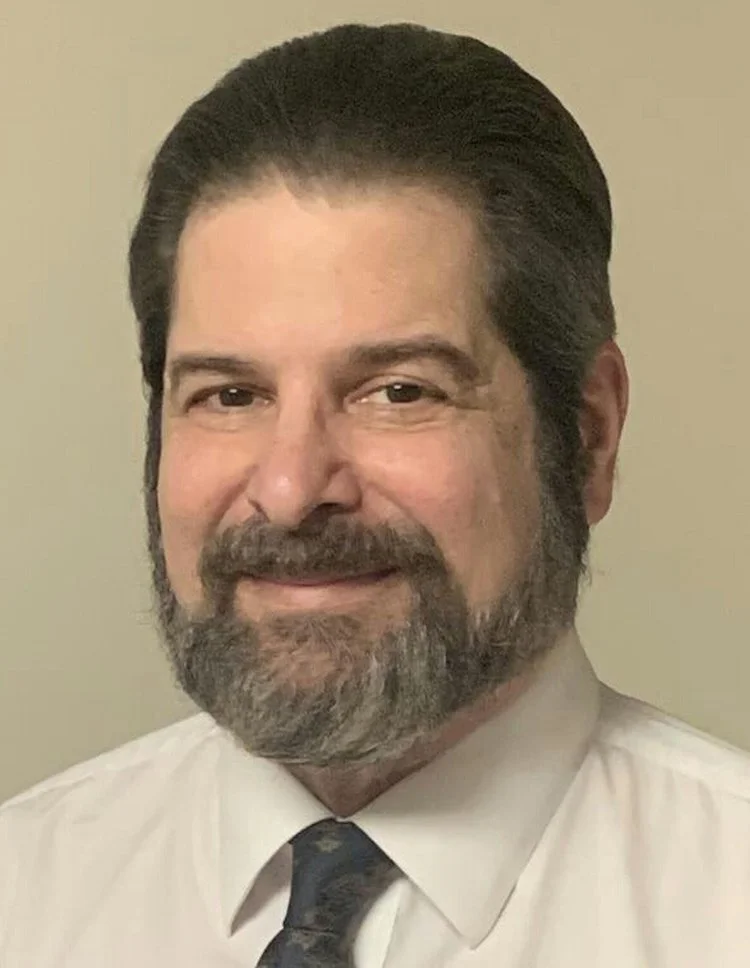
Joel E. Gordon, BLUE Magazine’s Editor-in-Chief, is a former Field Training Officer with the Baltimore City Police Department and is a past Chief of Police for the city of Kingwood, West Virginia. He has also served as vice-chair of a multi-jurisdictional regional narcotics task force. An award winning journalist, he is author of the book Still Seeking Justice: One Officer's Story and founded the Facebook group Police Authors Seeking Justice. Look him up at stillseekingjustice.com