Police at the Door: A Most Difficult Duty… Delivering Death Notifications as a Police Officer
/Imagine the flashing lights and high-speed chases that fill TV shows about cops. Now picture something far quieter, yet crushing. Delivering death notifications hits officers right in the gut—it's that moment when you shatter someone's world with words no one wants to hear.
This job demands more than training. It tests your heart and steel. Police work often looks tough from the outside, but this duty stands alone. It's raw, personal, and leaves scars. Yet handling it well shows true professionalism. Empathy shines here, even amid the pain. Officers must blend skill with kindness to ease the blow.
Death notifications form a key part of police duties. They carry heavy weight, both in law and in feelings. Officers face rules that guide every step. At the same time, grief hits hard—for families and for you.
Laws push for quick action in death notifications. You must identify next of kin right away. States like California require notice within hours of confirming a death. Chain of custody rules protect items like wallets or keys from the scene. Timelines matter too. Delays can spark lawsuits or trust issues. General protocols say verify facts first, then notify. Skip this, and families suffer more. Always check local guidelines to stay on track. Personal effects need careful handling. Tag them properly. Release only to authorized people. This keeps things legal and fair.

Sudden loss triggers wild emotions. Shock freezes folks at first. Denial follows, then anger boils up. Kübler-Ross stages fit here, though loss hits fast—not slow like illness. Families might lash out or shut down. You prepare by knowing these waves. It helps you stay steady. Officers feel it too. Vicarious trauma builds over time. You absorb pain like a sponge. Compassion fatigue creeps in after many calls. Watch for burnout signs early.
Speed counts in death notifications, but so does care. Rush at 2 a.m., and you add shock. Wait too long, and rumors spread pain. Pick the right spot. A private home beats a busy street. If kids are there, shield them first. Ethics guide this—think of the family's needs. Daylight often works best. But duty calls anytime. Balance urgency with kindness. It shows respect for their world.
Before you knock, get your ducks in a row. Prep work saves headaches later. It builds trust and cuts errors. Rushed steps lead to mess; solid ones honor everyone. Double-check everything. Confirm the dead person's ID with records or photos. Pin down the cause—accident, illness, or worse.
Wrong info wrecks lives. Relationship ties matter. Errors invite trouble. A mix-up once cost a department big in court. Accuracy shields you and helps the family heal.
For death notifications, safety comes first. Arrive calm. Park away from the door. Quiet steps set a gentle tone.
The knock echoes loud. Now comes the hard part. Words must land true, without fluff. Stay firm yet kind in these key seconds. Stand straight but open. Hands visible, no fists. Smile soft if it fits—shows you're human. Folks might balk at the door. "Who are you?" they ask. State your name and rank slow. "I'm Officer Smith from the local PD." Build trust fast. Avoid pushing in. Let them lead the pace. Your calm voice cuts through confusion.
Skip soft words like "passed away." Say it straight: "I'm sorry, but your brother died in a car crash tonight." Direct hits home without games. Euphemisms confuse and hurt more. Practice scripts in training. Keep them short: "We have bad news. Your daughter was in an accident and didn't make it." Clarity honors the truth. Families thank you later for not dancing around it. It starts the grief process right.
Anger flares quick. A yell or shove might come. Step back, hands up. "I understand this is hard." If they collapse, guide them to sit. Call for help if needed—medical or emotional. Let tears flow without rush. Denial hits too. "No, that's not possible!" Repeat facts gentle. Stay there till calm settles. Your steady presence anchors them. The words are out, but work lingers. Help them stand on shaky ground.
Guide next moves with care. This phase builds on your first words. Link them to help fast. Hand over chaplain cards or advocate numbers. Many departments have on-call grief pros. If faith matters, offer a spiritual guide. Victim services step in for paperwork or rides. "Here's who can sit with you now." Resources cut isolation. Stats show quick aid lowers long-term pain. Be the bridge toward healing.
You gave the news; now face your own storm. This duty echoes long. Care for yourself to keep serving strong. Talk it out right after. Share the weight—don't bottle it. Peer groups help too. Swap stories with fellow officers. "That one got to me," you say. Bonds form in the tough spots. Debriefs help to spot issues early. They turn pain into growth. Use them every time.
Watch for sleep trouble after shifts or feeling numb to daily joys. Hyper vigilance keeps you on edge. These signs build from repeated death notifications. One study found 40% of cops face trauma fatigue yearly. Spot them to act fast. Talk if moods shift dark. It's not weakness—it's smart.
Hit the gym after work. Sweat clears the mind. Journal your thoughts to help let them go. Set boundaries—home stays sacred. Laugh with friends; don't dwell alone. Balance keeps you whole. Avoid numbing with booze. Healthy outlets build strength. You serve better when steady inside.
Death notifications blend rules with heart. Procedural steps guide you, but empathy makes it real. Officers who master this duty touch lives deeply. Key points stick: Prep hard, speak clear, support after, and heal yourself. This work honors the lost by lifting the living.
In policing, compassion defines the best. Strive for it—it's the true badge of honor. Next time you face that door, know you're making a difference.
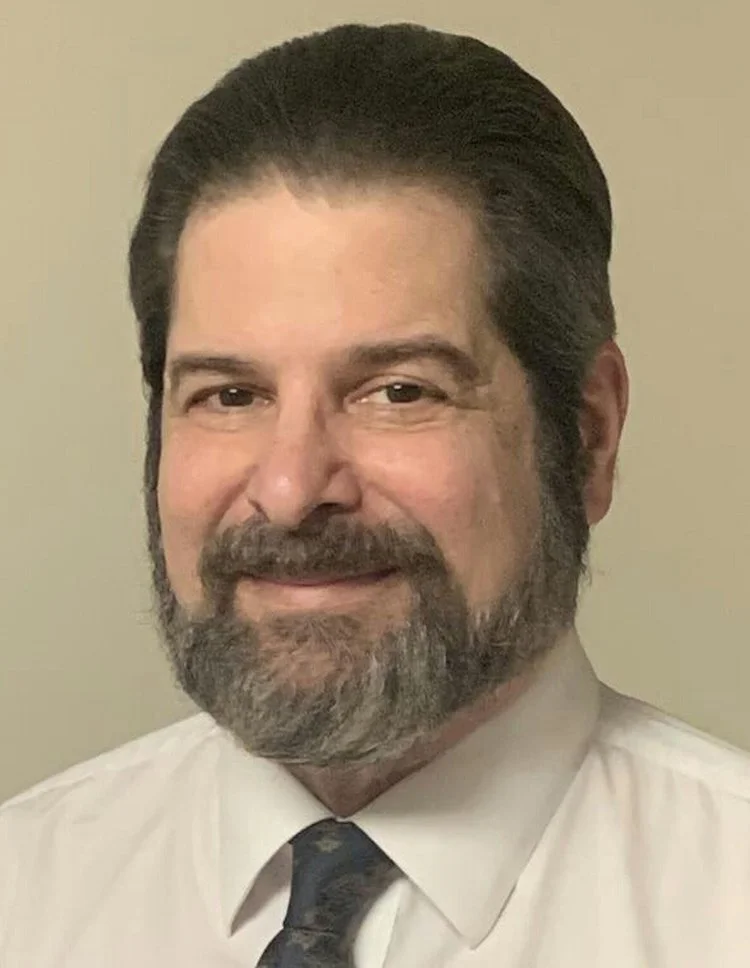
Joel E. Gordon, BLUE Magazine’s Editor-in-Chief, is a former Field Training Officer with the Baltimore City Police Department and is a past Chief of Police for the city of Kingwood, West Virginia. He has also served as vice-chair of a multi-jurisdictional regional narcotics task force. An award winning journalist, he is author of the book Still Seeking Justice: One Officer's Story and founded the Facebook group Police Authors Seeking Justice. Look him up at stillseekingjustice.com