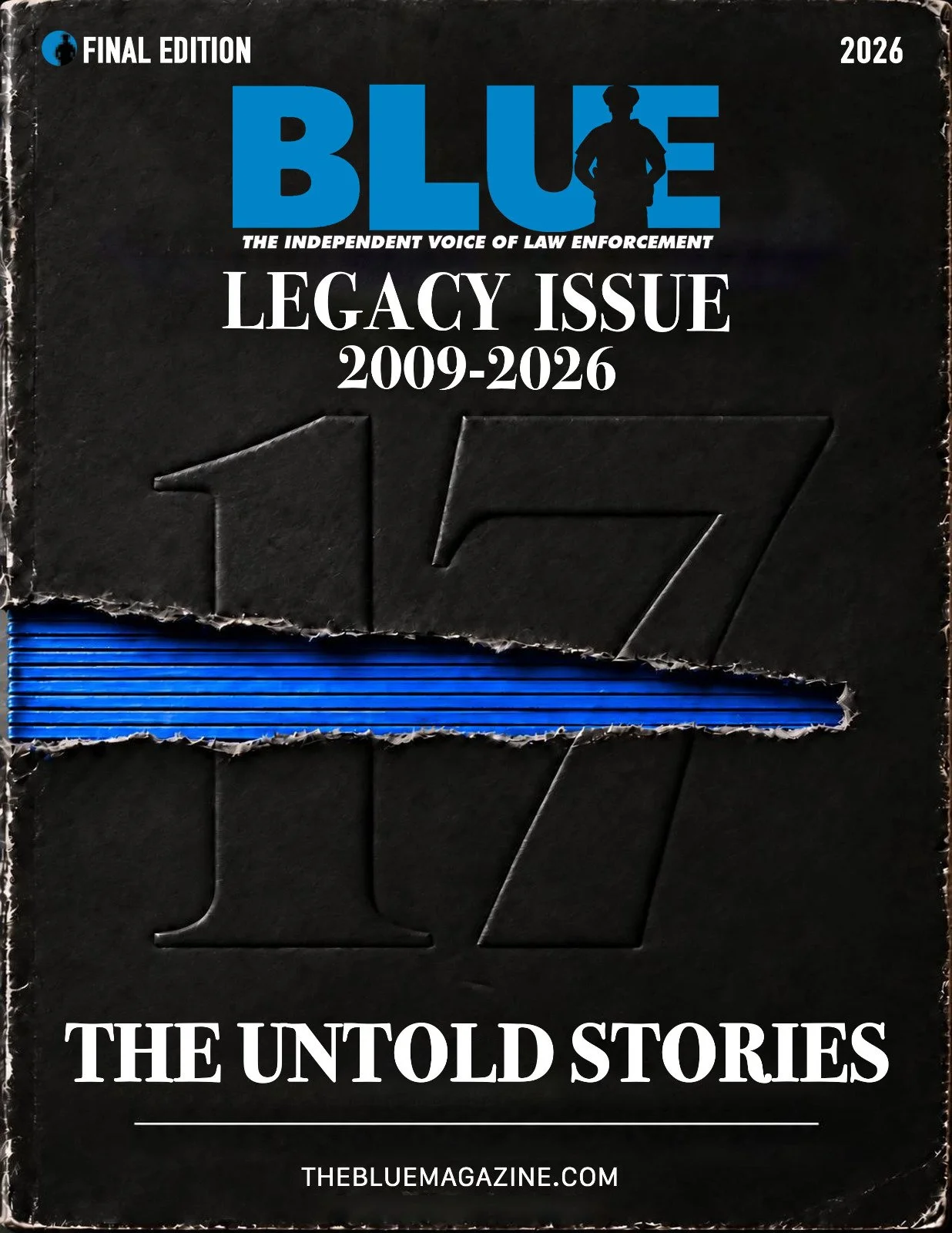

Phil Murphy on the Way Out: Crime, COVID, Cost of Living and the Decisions That Defined Eight Years
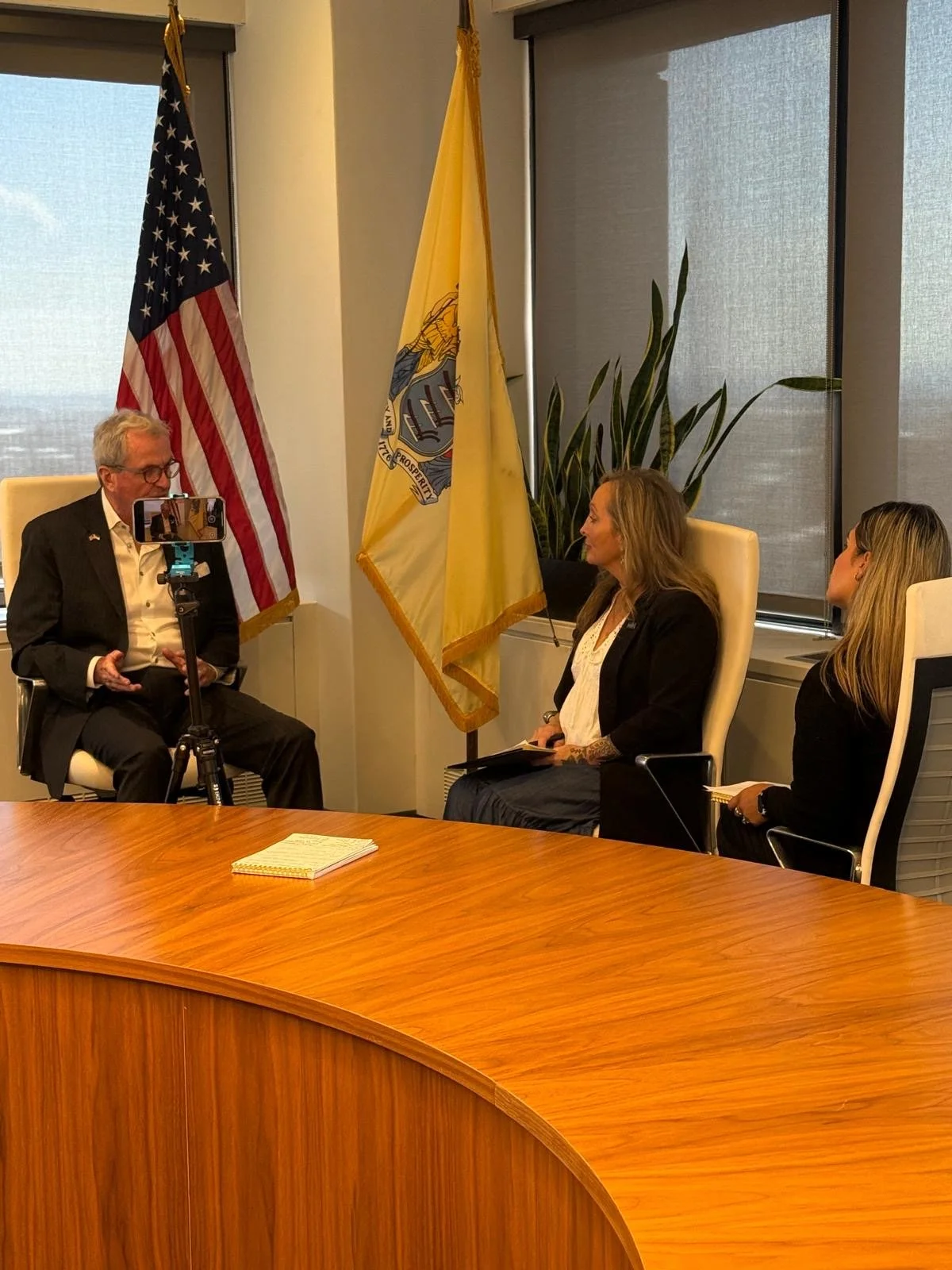
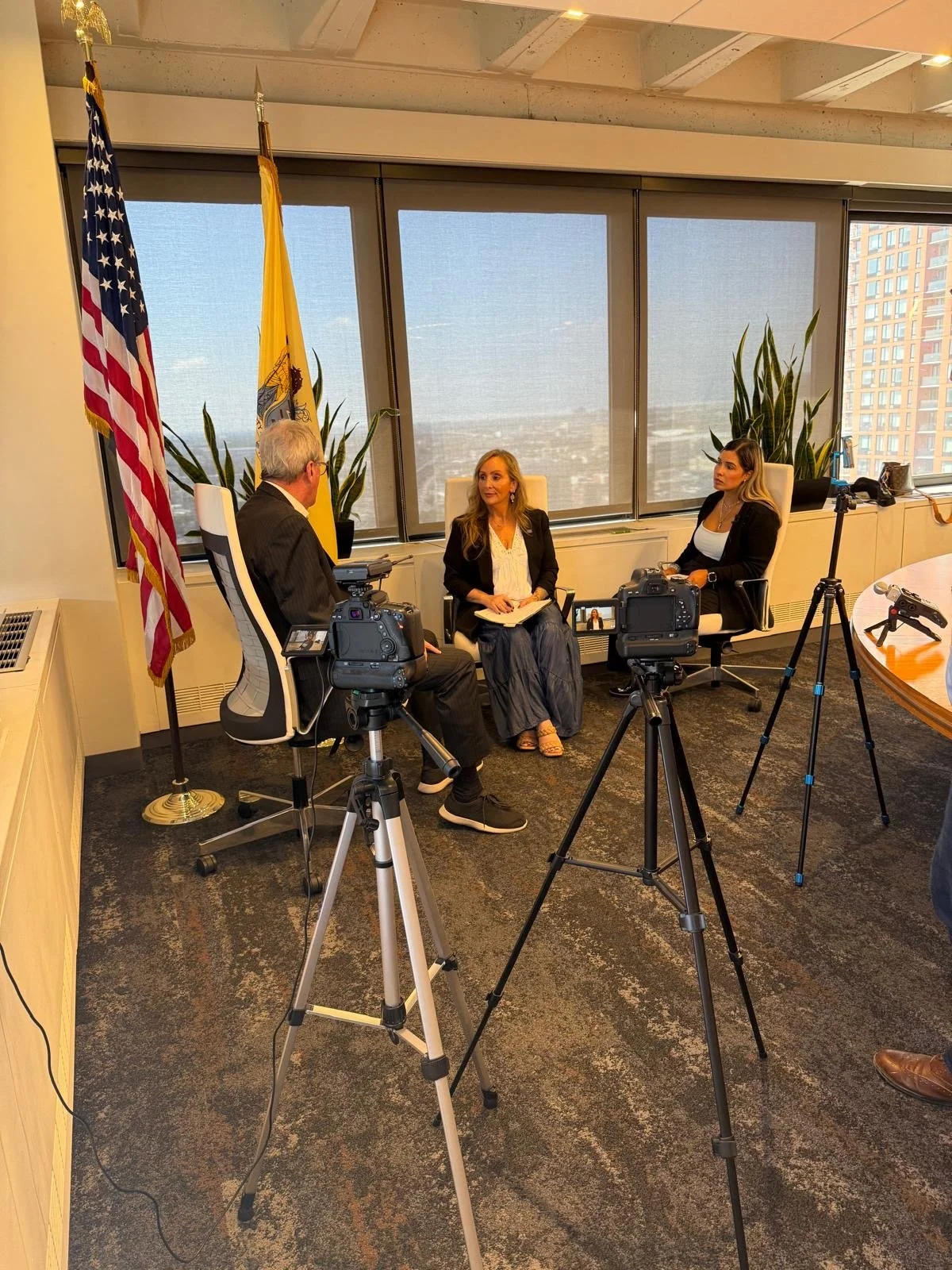
/Interview Conducted By Catherine Angel and Holly Finley
New Jersey Governor Phil Murphy
An Exit Interview
Eight years ago, Phil Murphy entered office promising a “stronger, fairer, more responsible” New Jersey. As he prepares to leave in January 2025, his final months are not marked by campaign rhetoric or political combat, but by reflection on crisis, conflict, compromise, and the unfinished business of governing a complex state through one of the most turbulent periods in modern history.
This conversation took place at a moment of transition. The Blue Magazine interviewed Murphy when he entered office. Now, on his way out, he sat down again this time without the urgency of elections, but with the weight of record, consequence, and legacy.
What follows is not a verdict, nor a victory lap. It is a record of how Murphy views the decisions he made, the tensions he navigated, and the legacy he believes he leaves behind.
A Term Defined by Crisis
Murphy’s governorship cannot be discussed without confronting COVID-19. The pandemic arrived early in his tenure and reshaped nearly every aspect of state leadership.
He acknowledged the uncertainty of those first months when public officials and health experts alike lacked reliable data and were forced to make consequential decisions in real time. New Jersey, he noted, later commissioned an independent, arm’s-length postmortem of its COVID response an effort that produced nearly 1,000 pages of findings and recommendations, with no editorial input from his administration prior to publication.
More than 35,000 New Jersey residents lost their lives. Murphy did not frame the period as a success story, but as a tragedy one that demanded accountability, learning, and institutional change rather than self-congratulation.
Public Safety and Perception
One of the most persistent tensions of Murphy’s tenure has been the gap between crime data and public perception particularly among law enforcement and working-class communities.
Murphy cited independent crime statistics showing New Jersey’s violent crime rate below the national average and trending downward since the post-pandemic spike. Statewide data reflects declines in shootings, homicides, and auto thefts compared to peak years.
Yet Murphy did not dismiss the lived reality behind public concern. He acknowledged that perception shapes trust and that trust is fragile, especially in communities that feel vulnerable or underserved.
He repeatedly credited law enforcement as the first line of defense, pointing to expanded state police recruiting, increased staffing, upgraded equipment, license-plate detection technology, school-mapping initiatives, and violence-prevention programs. While disagreement with police unions has at times been public and sharp, Murphy characterized the working relationship as consistent, professional, and ongoing.
Affordability: The Defining Issue of His Final Years
If COVID defined Murphy’s early tenure, affordability defined the latter half.
Property taxes, energy costs, and healthcare premiums emerged as dominant pressures for families and public employees alike. Murphy pointed to record-level property tax relief through programs like ANCHOR, emergency utility bill relief, and state efforts to expand energy supply amid regional demand imbalances.
Healthcare costs particularly for government workers and law enforcement remain unresolved. Murphy acknowledged the strain and described recent agreements aimed at stabilizing the State Health Benefits Plan, while conceding that local-level plans remain a difficult, unresolved challenge.
On pension reform, he expressed sympathy for retirees affected by the suspension of cost-of-living adjustments, while defending the administration’s prioritization of full pension payments more than $47 billion over eight years as necessary to restore fiscal credibility after decades of underfunding by prior administrations of both parties.
Mental Health and Law Enforcement
One of the most personal segments of the conversation centered on suicide prevention particularly among law enforcement and veterans.
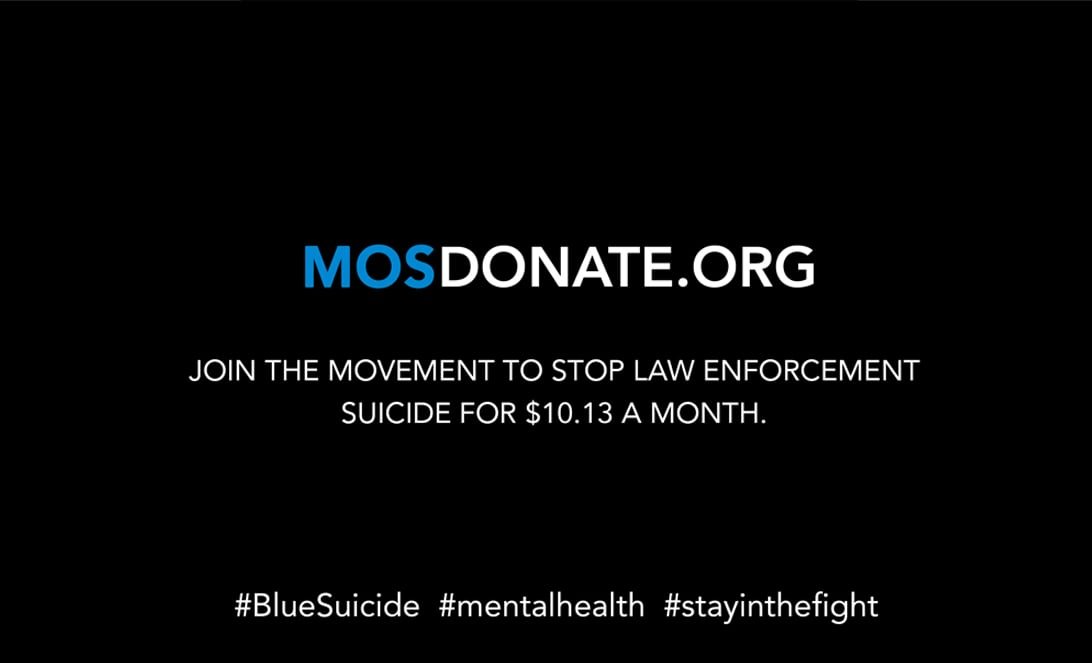
Murphy spoke candidly about stigma, pride, and isolation, urging officers to seek help without fear of judgment or career repercussions. He expressed openness to deeper collaboration with Moment of Silence, the nonprofit affiliated with The Blue Magazine, which focuses on officer suicide prevention and community outreach.
While no formal commitments were announced, Murphy signaled a willingness to explore partnerships that expand resources without compromising careers a challenge long recognized within policing culture.
Artificial Intelligence and the State’s Future
Looking ahead, Murphy framed artificial intelligence not as a distant innovation but as an active tool already embedded in state operations. Thousands of New Jersey state employees now use AI to improve service delivery, reduce administrative burden, and enhance responsiveness.
He also voiced concerns privacy, misuse, workforce displacement, and national security calling for careful regulation that balances innovation with restraint. In Murphy’s view, AI represents not just a technology, but a governing challenge that will define the next generation of public leadership.
Legacy Without Illusion
Asked how he wants to be remembered, Murphy resisted the premise.
Instead, he returned to the framework he campaigned on: economic strength, fairness, and responsible governance. He pointed to restored pension payments, fully funded public education, improved credit ratings, and long-term fiscal discipline as structural changes he hopes endure beyond his administration.
He acknowledged imperfections, delays, and decisions that drew criticism. But he maintained that the state’s governing “playbook” has shifted toward consistency, long-term planning, and institutional responsibility.
On the Way Out
When Murphy leaves office in January, New Jersey will remain politically divided, economically pressured, and deeply opinionated about his record. That reality is unavoidable.
This interview does not attempt to resolve those debates.
It documents them.
⸻
Editor’s Note
The Blue Magazine interviewed Governor Phil Murphy at the start of his administration and again at its close. We thank him for a candid, substantive conversation and wish him well in his next chapter of public and private life.