

Safeguarding Communities in Today's World
/Safeguarding Communities in Today's World
By: Joel E. Gordon
In a quiet suburb of Chicago, a basic neighborhood watch group cut burglary rates by 26% over two years. Folks started looking out for each other, spotting odd cars and sharing tips. This real story from a U.S. Department of Justice study shows how everyday actions can make a big difference.
Crime rates in many cities have ticked up lately, with thefts and break-ins hitting urban spots hard. People feel less safe walking at night or leaving homes empty. That's why crime prevention matters more than ever—it lets you take control before trouble starts. Proactive steps build trust and cut risks for everyone. Crime prevention starts with knowing why it works. It focuses on stopping problems before they happen, not just reacting after. Experts break it down into simple ideas that anyone can grasp.
Ronald Clarke's situational crime prevention theory says crimes happen when chances pop up. Change the setup, and you cut those chances. For example, good lighting in alleys makes thieves think twice. Look at your own space first. Check doors for weak locks or bushes that hide views. Trim plants and add gravel paths that crunch underfoot—simple fixes that alert you to strangers.

These principles apply everywhere, from parks to stores. They rely on design to make crime harder. You can test them by walking your route and noting dark spots.
The World Health Organization sorts prevention into three levels: primary, secondary, and tertiary. Primary stops crime before it begins, like teaching kids about strangers. Secondary targets at-risk groups, such as job programs for teens. Tertiary helps after a crime, like rehab for victims to avoid repeats. Public ads on safe driving count as primary— they reach everyone.
To start a community awareness program, gather friends for a chat. Share flyers on lock basics. It builds habits that last. You track success with numbers and stories. Count crimes before and after changes, like fewer reports in a watched area. The National Institute of Justice uses surveys to gauge feelings of safety too. Qualitative ways include chats with neighbors about their views. Mix both for a full picture. Check local police sites for free reports on trends.
Individuals can log personal wins, like no break-ins after new lights. This keeps motivation high. Over time, data shows what sticks.
You hold power in your hands to stay safe. Simple habits shield you from most threats. Start with strong doors and windows. The FBI suggests deadbolts that lock from inside and out. Add a bar to sliding glass for extra hold.
Motion lights flip on at night, scaring off lurkers. Test them weekly to ensure they work. A home audit takes 30 minutes: walk around, note weak points, and fix one per week.
List valuables and etch IDs on them.
Set timers for lights when away.
Keep ladders out of sight.
These steps cut risks fast. Burglars often skip lit, busy homes.
Stay sharp in crowds—scan faces, avoid headphones. The UK's police chiefs advise walking against traffic to spot stalkers. Trust your gut; cross the street if someone seems off.
For rideshares, share your trip with a friend via app. Pick drop-offs under lights. In stores, keep bags close and phones hidden.
Online threats grow daily, from hacks to scams. Use passwords with letters, numbers, and symbols—change them every three months. The FTC warns against clicking strange links; hover to check sites first.
Update your phone and computer apps regularly. It patches holes thieves exploit. Check credit reports yearly at free sites to catch fraud early.

Freeze your credit if worried—it's free and stops new accounts. These habits guard your info like a locked safe.
Teams beat solo efforts every time. When neighbors join forces, crime drops sharp. Shared plans create eyes everywhere. The U.S. National Neighborhood Watch helps groups form easy. Pick a leader, map your block, and meet monthly. Share duties like evening walks.
Invite police for tips on spotting fakes. Post signs to warn crooks you're watching. One group in Seattle slashed vandalism by half this way.
Steps to launch:
Talk to five neighbors.
Set a first meeting date.
Contact local law enforcement for support.
It fosters bonds too. Fun chats over coffee make the work light.
Kids learn early to say no to trouble. D.A.R.E. programs in schools teach drug risks through role-play. Parents reinforce at home with open talks.
Mentor youth sports or clubs as it keeps idle hands busy. Studies show engaged kids commit fewer acts.
Parents, join PTA meetings to push for these classes. Volunteer an hour a week. Positive role models shape futures. Report odd sights right away—apps make it simple. The U.S. COPS Office trains cops for community ties. Attend town halls to voice needs, like more patrols. Ask for free workshops on safety.
Cameras like Ring doorbells record motion and send alerts. Urban Institute research shows they deter 60% of break-ins; mount them high, out of reach. Choose ones with night vision and cloud storage. Test angles to cover doors. Easy apps let you check from work. Pair with alarms that call police. It adds layers. Costs start low, peace high.
Apps like Nextdoor (https://nextdoor.com/) share local news fast. Post about lost pets or strange vans. Citizen app pings for nearby crimes. Set alerts for your zip code. It warns of theft spikes. Privacy tip: share only basics, no addresses. Setup takes minutes—download, join group, enable notices. Neighbors respond quicker together.
Crime prevention weaves personal habits, group work, tech aids, and policy pushes. From home audits to watch groups, each step counts. Tech like cameras adds eyes, while laws hit deep causes.
Start today—pick one tip, like better locks or a neighbor chat. It snowballs into safer streets. Proactive moves create communities where kids play free from harm. Key takeaways: Mix levels for best results. Track what works. Together, we can build walls against crime that last.
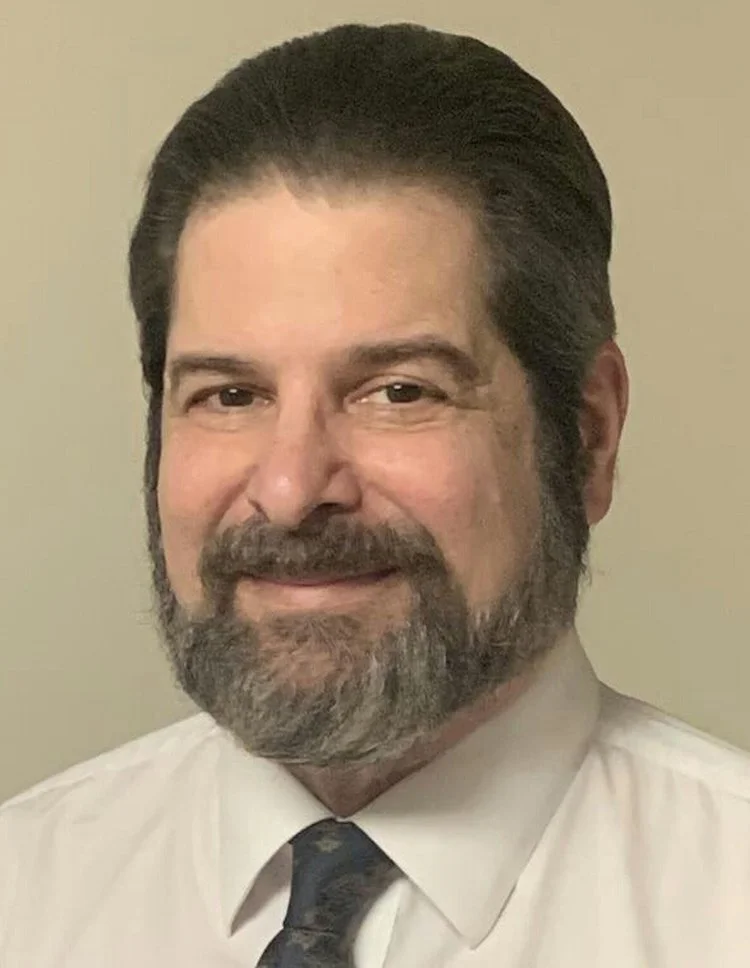
Joel E. Gordon, BLUE Magazine’s Editor-in-Chief, is a former Field Training Officer with the Baltimore City Police Department and is a past Chief of Police for the city of Kingwood, West Virginia. He has also served as vice-chair of a multi-jurisdictional regional narcotics task force. An award winning journalist, he is author of the book Still Seeking Justice: One Officer's Story and founded the Facebook group Police Authors Seeking Justice. Look him up at stillseekingjustice.com