
The Damage Bad Leadership Does to Police Officers
/The Damage Bad Leadership Does to Police Officers
By: Kevin P. Donaldson
There’s a lie we tell ourselves in law enforcement that keeps getting people hurt.
We like to believe the job breaks us. The calls. The violence. The things we see at three in the morning that never make it into polite conversation. And yes — those things matter. They change you. They leave scars. But if I’m being honest, the deepest damage I’ve seen in this profession didn’t come from the streets.
It came from bad administration and failed leadership. The kind that wears a suit instead of a vest. The kind that never responds to a hot call but somehow controls every decision that affects the people who do. The kind that talks about “officer wellness” while quietly building policies that grind officers into the ground.
Leadership Can Save You — or Slowly Kill You
Good leadership doesn’t eliminate danger. It makes danger survivable.
Bad leadership does the opposite. It isolates officers. It removes trust. It creates an environment where everyone operates in survival mode — not because of criminals, but because of their own chain of command.
When leadership is weak, dishonest, or self-serving, the message to officers is loud and clear: You are expendable. Not in words. But in actions.
Officers learn quickly:
· Who will be protected
· Who will be sacrificed
· Which mistakes will be forgiven
· Which ones will be publicly crucified to satisfy politics, media pressure, or internal power games
And once that lesson is learned, everything changes.
The Erosion of Trust Starts at the Top
Trust is the currency of law enforcement. Without it, nothing works. Bad administration erodes trust in small, quiet ways:
· Policies written by people who’ve never worked the street
· Discipline handed down inconsistently
· Promotions based on loyalty instead of competence
· Decisions made for optics instead of reality
Eventually, officers stop believing leadership has their back.
And when that happens they stop bringing problems forward. They stop asking for help. They stop being honest. That’s not misconduct. That’s survival. You can’t expect transparency from people who feel hunted by their own organization.
When Leadership Creates Moral Injury
There’s a term we don’t talk about enough in policing: moral injury.
It happens when officers are forced to operate in ways that violate their own sense of right and wrong.
Bad leadership is a factory for moral injury.
When officers are ordered to enforce policies they know are unjust. When they’re told to “be proactive” but punished for the outcomes. When they’re pushed to make numbers instead of making good decisions. When leadership quietly abandons them the moment a situation becomes uncomfortable.
That kind of conflict eats at you. Not all at once — but slowly, relentlessly. Officers begin to question:
· Their instincts
· Their judgment
· Their worth
That’s how good cops burn out. That’s how bitterness replaces pride. That’s how empathy turns into cynicism.
The Silent Casualties No One Counts
Bad leadership doesn’t just damage morale. It destroys careers and lives. It shows up as:
· Officers who emotionally shut down
· Veterans who retire broken instead of proud
· Young officers who learn bad habits because no one mentors them
· Marriages that collapse under chronic stress
· Alcohol abuse, isolation, and untreated trauma
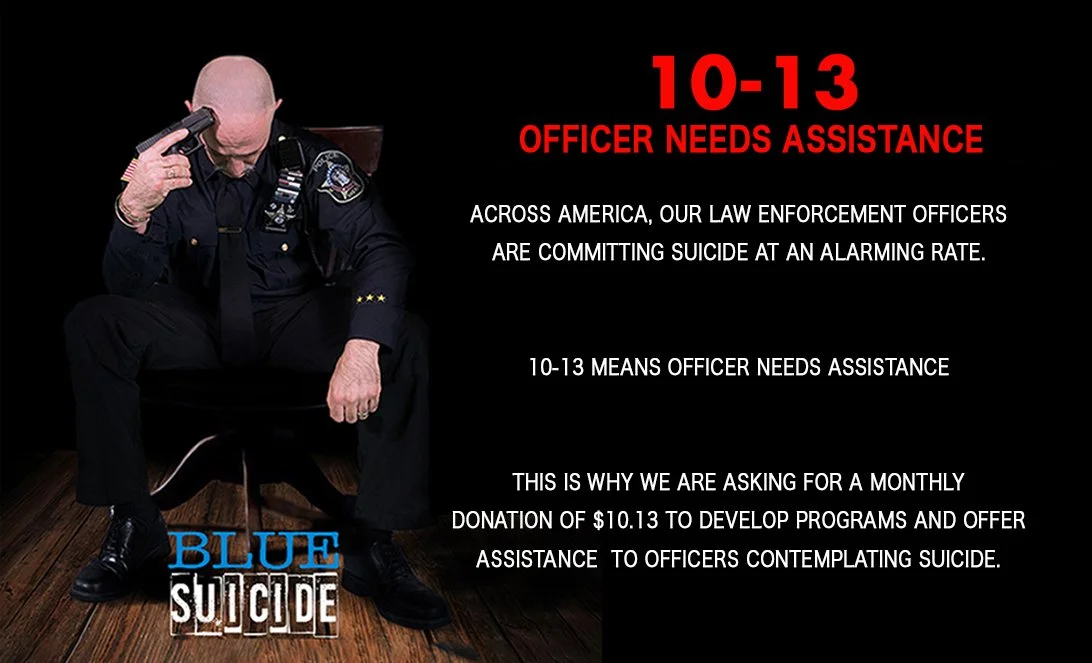
And sometimes, it shows up in the worst way possible — when an officer decides they can’t carry the weight anymore.

Administration loves metrics. Numbers. Statistics. But they rarely track the cost of leadership failure:
· The officer who stopped caring
· The supervisor who stopped speaking up
· The department culture that quietly rots from the inside
Those losses don’t show up on spreadsheets. But they’re devastating.
The Lie of “That’s Just the Job”
One of the most dangerous phrases in law enforcement is: “That’s just the job.”
No.
Being betrayed by leadership is not “just the job.” Being gas lit by administration is not “just the job.” Being left exposed for political convenience is not “just the job.” Those are leadership failures. And pretending otherwise keeps the cycle alive.
We lose good people not because they can’t handle the streets — but because they can’t handle the hypocrisy.
What Real Leadership Looks Like
Real leaders don’t hide behind policy. They stand in front of their people. They:
· Tell the truth, even when it’s uncomfortable
· Take responsibility instead of shifting blame
· Understand the job because they’ve lived it — or they listen to those who have
· Protect officers and hold them accountable
· Value integrity over image
Good leadership doesn’t demand blind loyalty. It earns trust through consistency and courage. And when officers feel supported, something remarkable happens: They perform better. They make better decisions. They recover faster from trauma. They stay human.
Final Truth
Law enforcement will always be hard. It will always be dangerous. It will always ask more than it gives.
But bad leadership turns a difficult profession into a destructive one.
If we want healthier officers, safer communities, and departments that last, we have to stop pretending administration is untouchable. Because the damage done by bad leadership doesn’t just affect officers it affects everyone they’re sworn to protect.
And the cost is far higher than anyone wants to admit.
Kevin P. Donaldson is a retired New Jersey police officer, bestselling author, speaker, and host of The Suffering Podcast. After surviving PTSD and multiple suicide attempts following a 2013 on-duty shooting, he rebuilt his life and now advocates for mental-health awareness and trauma recovery. He co-founded the Dented Development Project, delivers national training with trauma expert Sherrie Allsup, and co-authored the Amazon #1 bestseller Man You Are Crazy. His mission: prove healing is possible and there is Post Traumatic Success. RealKevinDonaldson.Com