Decoding the Blue: Police Argot and Law Enforcement Slang
/By: Joel E. Gordon
Imagine you're driving home late at night and hear sirens blare. Over a police scanner, crackling voices spit out terms like "10-4" or "perp in custody." You wonder what it all means—does it signal danger nearby? This scene plays out in real life and on TV, but most folks scratch their heads at police argot outside of the law enforcement world.
Police argot, often called cop talk, is the special lingo cops use every day. It's not the stiff legal words in court or basic police jargon anyone can pick up. This dialect grew from the early 1900s, when officers needed quick ways to chat without outsiders catching on. It builds team spirit, speeds up talks in chaos, and keeps some secrets safe.
Police argot fills reports, radio chats, and locker room banter. You hear it in news clips or cop shows, but true meanings hide behind the shorthand. These words pop up often in daily patrols and big busts.
Ten-codes started in the 1930s with the Association of Public-Safety Communications Officials, or APCO. Cops used them to cut radio time short and dodge eavesdroppers. For instance, "10-4" means "okay, got it," while "10-20" asks for a location.
Many departments now switch to plain talk, thanks to projects like APCO's Project 24. This change came after 9/11, when the government pushed for clear chats across agencies. Yet, old ten-codes linger in places like rural spots or big cities with local twists.
Think of the O.J. Simpson chase in 1994—reporters quoted "10-7" for out of service, showing how these codes hit the spotlight. You might spot them in apps or scanners today. They save seconds that count in a foot chase.
Cops label people and crimes with snappy terms to share details quick. "Perp" stands for perpetrator, the bad guy in a bust. "187" nods to California's penal code for murder—it's grim shorthand from gang areas.
For fights or thefts, "415" flags a disturbance, like a bar brawl. "B&E" means breaking and entering, a classic burglary call. These split by seriousness: felonies get heavy tags like "armed robbery," while minor stuff stays light, such as "petty theft."
In reports, you see "DB" for dead body or "ADW" for assault with a deadly weapon. Officers pick these to paint a clear picture fast, without long explanations. Next time you read a crime log, these terms may jump out.
Perp: The suspect cops chase.
211: Robbery, often with a gun.
459: Burglary, sneaking into homes or shops.
On the job, cops signal their spot with terms that keep everyone safe. "Code 3" means lights and sirens—full speed to a hot call. "Shots fired" alerts backup right away, no fluff.
"On scene" tells dispatch they've arrived, and "clear" wraps it up with no threats left. These help control chaos, like at a crash or standoff. Officers yell "cover me" to a partner during a raid.
In training, they drill these for muscle memory. You can hear them live on public scanners, if your area allows it. They turn a messy situation into steps everyone follows.
Why do cops cling to their own words? It's more than just talk—it's a shield and a bond. Argot knits officers tight, like a secret club handshake. Shared lingo builds trust after tough shifts. It sets "us" apart from "them"—cops versus the street.
Studies from sociologists like Geneviève Leduc show this in police culture. One report from the Journal of Criminal Justice notes 70% of officers feel closer through slang. It eases stress but can widen gaps with locals. Ever wonder why civilians feel shut out at a press conference? That's the boundary at work. It fosters pride, yet sparks debates on openness.
In a chase, every word counts. Slang lets cops swap info fast, without spelling it out for crooks listening in. Radios crackle with "suspect fleeing north on foot"—short and sharp.
Encryption tech now hides chats, so some say codes fade. But habits die hard in split-second calls. A 2019 FBI survey found 60% of agencies mix old slang with new tools.
It's like a shortcut in a storm—keeps the team synced without waste.
Cops face ugly scenes daily, so argot softens the blow. "Code brown" might mean a messy death, not the literal color. It turns horror into routine.
This "treadmill" shifts words over time, like calling a kill a "neutralization." Psych experts say it helps cope, per a study in Police Quarterly. But it risks numbing officers to real pain.
You see it in reports: "perimeter secured" hides the fear. It protects minds, yet muddies truth for outsiders. TV glamorizes cop talk, but real life differs. This skews how you trust police.
Shows like Law & Order toss "10-4" around like candy. They amp up drama, making slang seem constant. In truth, most chats stay plain.
A Pew Research poll from 2020 showed 45% of viewers think they know codes from TV, but half get them wrong. This builds stereotypes—tough cops barking orders. Films like Training Day mix real argot with fiction, confusing fans.
It entertains, sure. But it paints policing as a movie script, not daily grind.
Police files full of argot baffle judges and reporters. A "415 domestic" stumps folks without a decoder. FOIA requests often hit walls over unexplained terms.
In one 2022 case in New York, a journalist sued for clear reports after vague slang hid details. Legal aid groups push for glossaries in trials. It slows justice when words obscure facts.
Some terms start neutral but sour in public eyes. "Stop and frisk" began as safety lingo, now linked to bias claims. Slang like "ghost ride" from pursuits turned into misconduct flags.
After events like Ferguson in 2014, words shifted fast. Reports from the ACLU track how 30% of disputed terms tie to force issues. It shows argot's dark side—hiding or highlighting abuse.
Tech shakes up cop lingo. Apps and texts blend old ways with new. Here's how police argot adapts today.
The feds, via DHS, urge plain speech since 2006. Over 80% of big departments ditched ten-codes by 2023, per a RAND study. It cuts errors in multi-agency ops.
Small towns hold on, though. "10-66" for suspicious still echoes in some radios. The push aims for clarity, especially post-disasters.
Cops post on Twitter with "BOLO" for be on the lookout. It mixes argot and emojis—think "perp caught." Internal chats use Slack with slang shortcuts.
One department in Texas gained fans by explaining terms online. But slips, like leaked "ghost" ops, stir backlash. Internet lingo creeps in, like "sus" for suspicious.
Grab a scanner app to tune in local feeds. Start with your area's site for code lists—most post them free. Listen for basics: "10-50" often means wreck.
Note patterns; urban spots use numbers, rural ones plain words. Avoid obsession—it's public info, not a spy game. This helps you stay alert without panic.
Police argot boils down to speed and unity among officers. It lets them handle crises with tight teamwork. Yet, it doubles as a wall, blocking clear views for everyone else. The push for plain talk grows, balancing secrets with trust. As policing changes, so does the lingo—aiming for safer streets all around. Next time you hear a code on the news, pause and think. Share what you learn with friends. It builds better ties between cops and communities. Perhaps you may even have some pertinent investigative information to share when you know what’s going on? Stay informed; it matters.
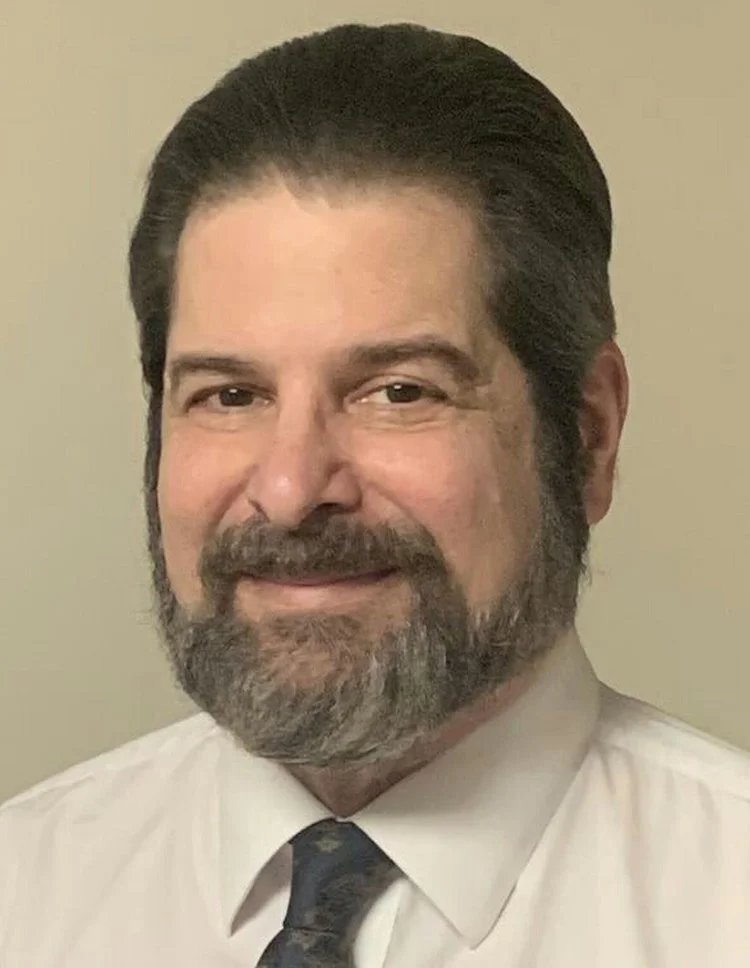
Joel E. Gordon, BLUE Magazine’s Editor-in-Chief, is a former Field Training Officer with the Baltimore City Police Department and is a past Chief of Police for the city of Kingwood, West Virginia. He has also served as vice-chair of a multi-jurisdictional regional narcotics task force. An award winning journalist, he is author of the book Still Seeking Justice: One Officer's Story and founded the Facebook group Police Authors Seeking Justice. Look him up at stillseekingjustice.com