Amputee Police Officers: Inspiring Stories from the Front Lines of Law Enforcement
/By: Joel E. Gordon
Imagine a cop chasing a suspect down a dark alley, prosthetic leg steady on uneven ground. That scene once seemed impossible. Now, it's real for amputee police officers who prove strength comes in many forms.
Police work has long demanded peak physical fitness. In the past, strict rules kept people with limb loss out. But new prosthetics and fair laws change that. Departments now see value in diverse teams. This article looks at how amputee police officers face challenges, win successes, and shape modern law enforcement.
Old police fitness tests often shut doors on folks with disabilities. Push-ups, runs, and climbs favored those without limb differences. Many lost jobs due to medical checks that saw amputation as a flaw. Back in the 1980s, rules labeled amputees unfit for duty. This led to lawsuits and shifts in views. Today, those barriers fade as departments rethink what "fit" really means. Historical police physical requirements once meant exclusion, but change brings hope.
Disability discrimination in law enforcement hurt many veterans too. They served in wars, lost limbs, and then faced rejection at home. Stories of denied badges pushed for reform. Now, more agencies test true skills over body parts. Modern prosthetics let officers run, jump, and fight like never before. Running blades mimic natural strides for quick pursuits. Rugged lower-limb systems handle rough terrain and long shifts.
Take the Ottobock C-Leg, a smart prosthetic that adjusts to steps. One officer used it to pass academy trials with ease. These tools make high-demand work possible for amputee police officers. Tactical prosthetics add features like quick-release for gear. They cost more but save lives in action. As tech improves, more cops with limb loss join the ranks. Prosthetics for active duty police turn limits into strengths.
The Americans with Disabilities Act, or ADA, forces changes in hiring. It requires reasonable steps to let qualified people with disabilities work. Police must adapt tests and duties for amputees. In the US, courts back this for public safety jobs. Departments now offer modified gear and training. ADA compliance in police departments builds fair teams.

Other laws, like the Rehabilitation Act, aid federal roles. These rules push for inclusion over exclusion. Reasonable accommodation in public safety helps everyone serve better. Amputee officers shine in desk and support jobs. They solve crimes as detectives, piecing clues together. Forensics work needs sharp minds, not just strong legs.
Training new recruits draws on their grit. Community outreach builds trust in neighborhoods. Administrative leadership sets examples for all. Amputee police officer roles show talent matters most. These spots let them avoid heavy patrols if needed. Yet many choose them for passion, not limits. Non-patrol law enforcement careers open wide doors.
Some amputees handle street duty full-time. They drive cruisers, scan scenes, and apply force when required. Reports show they meet core tasks with adapted tools. One study from the FBI notes 15% of disabled vets now serve as cops. They navigate crowds and use radios just fine. Amputee officer patrol duties prove doubts wrong.
Functional capacity testing checks real skills, not assumptions. Officers with prosthetics pass chases and arrests. This builds a stronger force overall.
Drive patrol cars safely in traffic.
Secure perimeters at incidents.
Use tasers or batons as trained.
Academy life tests everyone hard. For amputees, tweaks help pass firearms qualifications. They adjust stances for steady aim. Defensive tactics change too, like balance aids in grapples. Ongoing checks ensure skills stay sharp. Police academy requirements for amputees focus on function.
Talk to recruiters early about your prosthetic. Ask for demo days to show abilities. Police disability certification rewards those who prepare. This path leads to badges for all.
Teams must trust each member in crises. Bosses learn to value amputee strengths. Peers train together to build bonds. Studies in team psych show diverse groups solve problems faster. They adapt plans on the fly. Law enforcement team dynamics with disability create tougher units. Workshops teach how prosthetics work. This cuts fear and boosts support. Peer support for disabled officers saves the day.
Custom gear fits unique needs. Vests strap over prosthetics without snags. But upkeep takes time and cash. Departments budget for repairs after rough days. Officers track wear from daily use. Police equipment customization keeps them ready. Prosthetic maintenance in law enforcement budgets covers extras. Delays can sideline good cops. Smart planning avoids that pitfall.
People stare at visible differences on duty. Some worry about safety, but facts show skill trumps looks. Departments share stories to shift views. Media spotlights wins, like rescues by amputee heroes. This paints positive pictures. Public perception of disabled police officers warms up. Positive media representation in law enforcement inspires kids. It shows service open to all. Questions like "Can they really do it?" fade with proof.
Highlighting Trailblazing Officers
Meet Officer Mark Wright who made history as San Diego PD's first prosthetic-wearing motorcycle officer, proving determination overcomes physical limitations through resilience. His story motivates many.
Then there's a Suffolk County police officer who is believed to be the first double amputee in the U.S. to serve on a force. Officer Matias Ferreira, 36, lost both of his legs below the knee in an IED explosion while serving in Afghanistan in 2011, when he was 21. In addition to living out his dream as a police officer, he also worked in the police academy training hundreds of officers.
Inspiring amputee police officers like them break molds. Successful disabled veterans in law enforcement rise high. They promote to ranks and mentor others. Their paths light the way.
Groups like the National Law Enforcement Officers Memorial Fund aid those with challenges. They offer tips and connections. Internal clubs in departments share advice too. The Police Disability Network fights for fair rules. Join them for events and resources. Support networks for disabled law enforcement officers ease the road.
For aspiring cops, contact the ADA National Network. They guide on rights and steps. Police disability advocacy builds community strength.
Find local vet groups for job leads.
Attend inclusion seminars yearly.
Share your story to help others.
Tech like advanced prosthetics wipes out old walls. Amputee police officers now thrive where once blocked. True skill shows in job tasks done well, no matter the body. Departments gain from varied views and tough spirits.
Look ahead: More amputees will join, making forces smarter and kinder. This shift helps all of us feel safer. If you're inspired, reach out to a recruiter today—your story could be next.
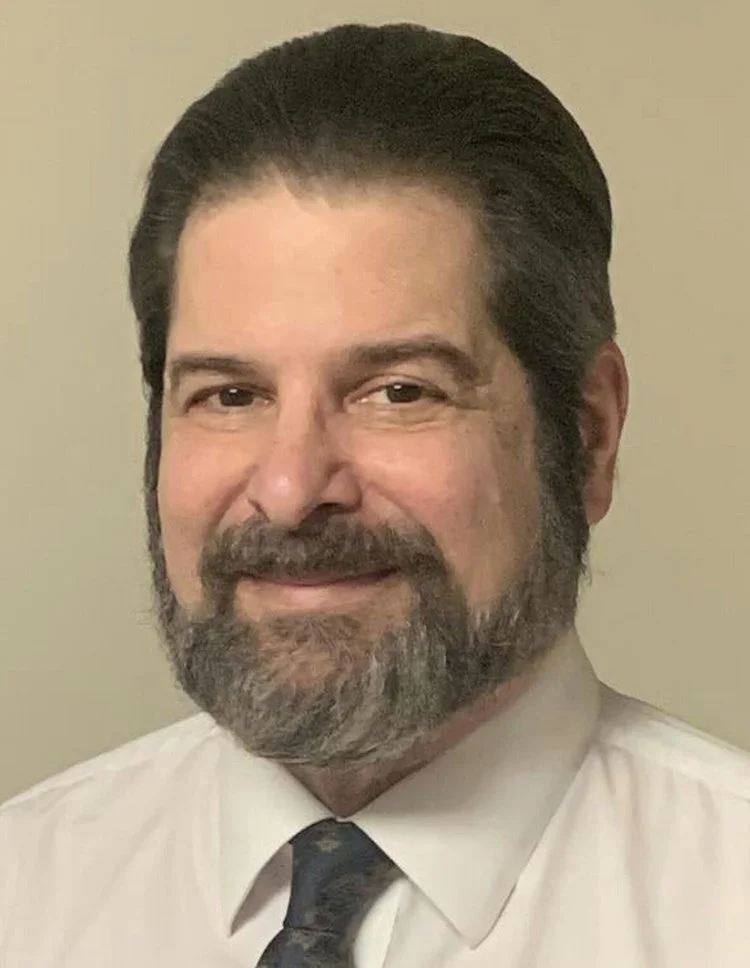
Joel E. Gordon, BLUE Magazine’s Editor-in-Chief, is a former Field Training Officer with the Baltimore City Police Department and is a past Chief of Police for the city of Kingwood, West Virginia. He has also served as vice-chair of a multi-jurisdictional regional narcotics task force. An award winning journalist, he is author of the book Still Seeking Justice: One Officer's Story and founded the Facebook group Police Authors Seeking Justice. He is also a recent below knee amputee, Look him up at stillseekingjustice.com