The Crisis of Exhaustion: Why Police Officers Average Only 6.5 Hours of Sleep
/By: Joel E. Gordon
In the dead of night, a patrol officer pulls over a speeding car on a deserted highway. His eyes burn from back-to-back shifts and split-second decisions feel heavier than usual. This scene plays out too often, as police sleep deprivation cuts into the rest that officers need to stay sharp.
Studies show police officers get far less sleep than the seven to nine hours adults need each night. Reports from groups like the National Sleep Foundation point to averages around six hours or less for many in high-stress jobs. This gap builds up over time, turning short nights into a health crisis.
Shift work throws off the body's internal clock, known as the circadian rhythm. Officers on night duty often fight daylight when trying to sleep during the day. Research from the Journal of Occupational and Environmental Medicine links this to shift work disorder, which affects up to 40% of workers in 24-hour roles.
These irregular hours mess with hormone levels that control sleep. Melatonin production drops when light hits at the wrong times. Officers end up with broken rest that leaves them groggy for their next call.
Staffing shortages push departments to add overtime. One officer might work 12 hours straight, then face another long shift soon after. This cuts deep into recovery time, leaving no buffer for real rest.
A report from the Bureau of Justice Statistics notes that over 50% of agencies deal with understaffing. That forces extra hours, which directly shortens sleep windows. Officer’s report feeling wiped out, yet they push through to cover the gaps.

Data from the Centers for Disease Control and Prevention (CDC) highlights sleep issues in public safety roles. Police officers average about 6.5 hours per night, based on surveys of thousands in the field. This falls short of healthy benchmarks and matches patterns in other emergency services.
Academic studies, like those in Sleep Health journal, back this up with logs from officers. They track actual bedtimes and wake-ups, showing consistent deficits. These numbers reveal a pattern: sleep deprivation isn't rare—it's the norm in policing.
The nature of police work doesn't stop at shift end. Stress lingers, and duties spill over into personal time. Even off-duty hours feel like extensions of the job, making solid sleep hard to grab.
After a tense chase or violent scene, officers' minds race. Adrenaline keeps them wired, delaying sleep by hours. This hyper-arousal state ties into trauma exposure, raising insomnia risks.
Links to PTSD show up in studies from the American Psychological Association. Officers with high-stress days take longer to fall asleep. They toss and turn, replaying events, which stacks more fatigue on top of physical tiredness.
Call-outs shatter rest plans. An officer might hit the pillow only to get paged for an emergency. Training drills or paperwork often eat into what should be downtime too.
Departments rely on quick responses; so on-call status is common. This unpredictability means sleep comes in fits and starts. Over time, it wears down even the toughest routines.Precincts buzz with radios and phones around the clock. Noise leaks into break areas, making naps impossible. Daytime sleepers deal with sirens or traffic outside stations.
Light from screens and fluorescents adds to the mess. Officers in urban areas face street noise that pierces thin walls. These factors turn potential rest spots into poor sleep zones.
Lack of sleep hits officers hard. It fogs the brain, strains the body, and ups accident odds. In a job where split-second choices save lives, these effects create real dangers for everyone involved.
Fatigue slows reaction times by up to 50%, per NASA studies on sleep loss. Officers might miss key details in a foot pursuit or misjudge a threat. This leads to errors that could cost lives.
Judgment slips under sleep debt. Research in Accident Analysis & Prevention ties tired shifts to more use-of-force incidents. Officers act on impulse when their focus fades.
Chronic short sleep raises blood pressure over time. A Harvard study on shift workers found higher hypertension rates among those getting under seven hours. Police face this plus job stress, doubling the toll.
Weight gain and diabetes risks climb too. Poor rest disrupts metabolism, leading to unhealthy eating habits during long shifts. Officers report more illnesses, pulling them from duty.
Drowsy driving claims lives—officers crash more after night shifts. Data from the National Highway Traffic Safety Administration shows fatigue factors in 20% of crashes. Police vehicles aren't immune.

On-duty injuries rise with tired muscles and slow reflexes. Slips during arrests or fights happen easier. Off duty, simple tasks like walking turn risky when exhaustion hits.
Change starts with small steps and big policies. Officers can tweak habits, while departments shift schedules. These moves build better rest into the job.
Block blue light from phones an hour before bed. It helps melatonin kick in faster. Set up a dark, cool room with blackout curtains and a fan.
Nap smart—aim for 20-30 minutes before a night shift. Avoid caffeine late in the day to prevent crashes. Track your patterns in a journal to spot what works.
Use earplugs for noisy spots.
Wind down with reading, not TV.
Stick to a set bedtime, even on off days.
Some cities use 12-hour shifts and others 10-hour shifts over four days, giving longer recovery weekends. This cuts rapid shift changes that wreck sleep. Minneapolis PD tried it and saw fewer complaints about tiredness.
Mandate 10 hours off between shifts minimum. Track overtime to avoid burnout spikes. Training on fatigue signs helps supervisor’s spot issues early.
Best practices include peer support for rest talks. Departments like those in California now limit consecutive nights. These tweaks show real gains in alertness.
Wearable’s like Fitbit track sleep stages. Officers see data on deep rest and adjust habits. Apps remind them to unwind before crashes.
Wellness programs add sleep education to mental health checks. Group sessions share tips on coping with shifts. Some forces partner with sleep clinics for free advice.
Download apps for guided relaxation.
Use white noise machines.
Join department challenges for better habits.
Police officers average just 6.5 hours of sleep due to grueling shifts, overtime, and stress that follows them home. This officer fatigue sparks cognitive slips, health woes, and accident risks that threaten everyone. Law enforcement shift work demands 24/7 coverage, but at what cost to those on the line?
Rest isn't a luxury—it's key to sharp decisions and safe streets. Departments must adopt better schedules and tools, while officers build strong sleep routines. Push for these changes in your community to support the thin blue line. Your voice can help make policing safer for all.
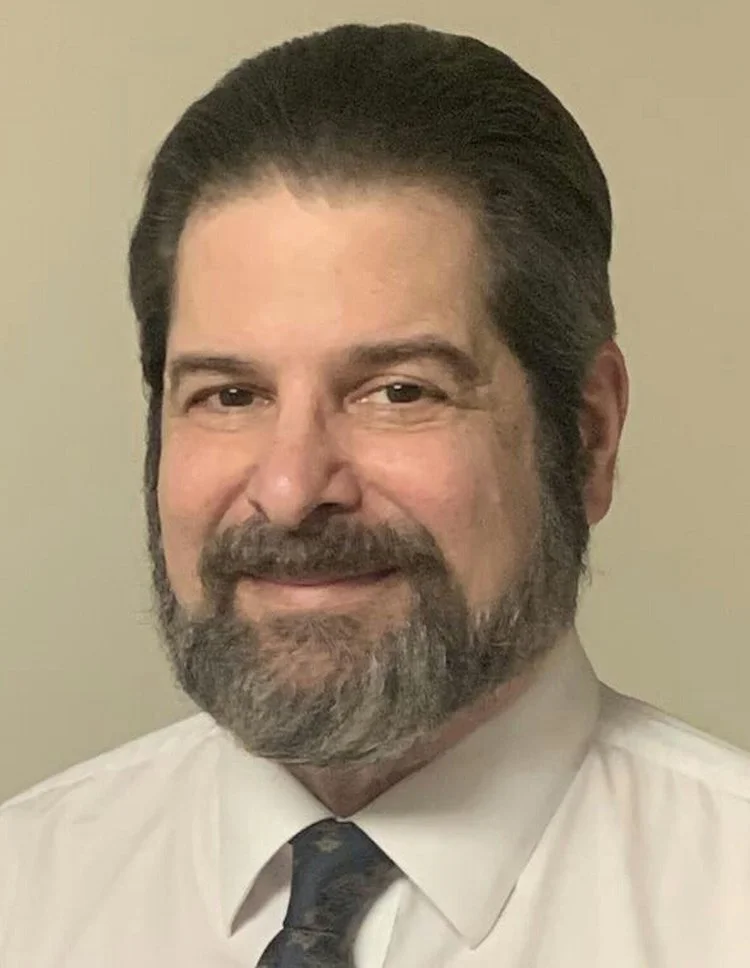
Joel E. Gordon, Managing Editor of BLUE Magazine, is a former Field Training Officer with the Baltimore City Police Department and is a past Chief of Police for the city of Kingwood, West Virginia. He has also served as vice-chair of a multi-jurisdictional regional narcotics task force. An award winning journalist, he is author of the book Still Seeking Justice: One Officer's Story and founded the Facebook group Police Authors Seeking Justice. Look him up at stillseekingjustice.com