Why We Chose to Become Law Enforcement Officers
/By: Joel E. Gordon
Picture this: A young officer races to a chaotic scene, pulls a child from harm's way, and watches the family's relief wash over their faces. That moment seals a bond with the public that few jobs offer. Each year, thousands step up to join law enforcement, drawn by a mix of heart and grit.
Many who join law enforcement feel a deep urge to give back. They see the badge as a tool to shield neighbors and keep streets safe. This pull often starts young, sparked by real-world needs.
Helping others brings a quiet joy that money can't match. Officers often recall the glow of aiding a victim or stopping a fight before it turns ugly. That sense of impact sticks with them.
Personal stories fuel this fire. Maybe you watched a cop save your family from a break-in. Or you grew up in a rough spot and vowed to stop the cycle. These moments turn a vague wish into a clear path to serve.
Stats show it too. Surveys by the International Association of Chiefs of Police found over 70% of recruits cite "helping people" as their top reason to join. It's not just talk—it's action that builds safer towns. Fair play matters. Officers commit to laws that keep society steady, no matter the pressure. They stand for justice, making sure rules apply to everyone equally. This sets policing apart from jobs like teaching or nursing. While those roles heal minds or bodies, cops enforce the backbone of order and work to keep the peace through regulation of human behavior. It's a tough spot, but one that draws those who value structure.
Think of it like being a referee in a big game. You call the shots fairly, even when fans boo. That dedication to impartiality pulls in folks ready to hold the line.
Some officers stay close to home, driven by ties to their own streets. They know the shortcuts, the families, the hidden troubles. Building trust here turns strangers into allies. Community policing backs this up. Programs let cops chat with locals, spot issues early, and team up on fixes. It's hands-on work that makes real change in neighborhoods. One officer shared how patrolling his childhood block let him mentor kids like he once needed. That local root keeps motivation high, fostering bonds that last.
Government jobs traditionally have meant less fear of layoffs. Life's ups and downs make steady work appealing. Law enforcement offers a solid base with perks that ease worries. It's a smart choice for those who plan ahead.
Variety keeps things fresh. Start as a patrol officer, then move to SWAT for high-action ops or K-9 for dog-team work. Narcotics hunts or forensics add layers of skill.
Promotion tracks shine bright. Training hones expertise, opening doors to leadership.
Clear rules and ranks suit team players. Like the military, policing builds on orders and backup. You know your role, and others have yours. Intense drills forge tight bonds. Shift work demands trust—your partner's got your back in a pinch. This setup pulls in those who shine in groups. It's not chaos; it's organized push. That framework lets officers focus on the job, not the mess.
Not everyone wants desk drudgery. Policing throws curveballs that test your edge. The buzz of uncertainty hooks adventure seekers. Running to trouble? That's the draw. Officers face risks head-on, proving their mettle when others flee. It builds a tough inner core. Courage isn't blind—it's trained response. A quick chase or tense standoff sharpens skills and boosts pride. Many say it feels like a personal win. Data from the FBI notes officers handle 10-15 high-risk calls per month on average. That pace tests limits, rewarding the bold.
One shift might mean traffic stops, then a theft report, topped with a medical aid. No two days match, beating office ruts. White-collar gigs often loop the same tasks. Policing solves puzzles on the fly—lost kids one hour, disputes the next. Variety keeps the mind sharp. Big city patrol officers often log over 20 calls per 8-hour shift, per department logs. From calm chats to urgent aids, it never dulls. You act, and results show right away. Calm a yelling crowd? See smiles return. Crack a case? Hear thanks pour in. This quick loop beats long waits in other fields. It proves your worth daily, fueling drive. Officers thrive on that clear payoff. Imagine cuffing a thief—victims hug you moments later. Tangible wins like these cement the choice.
Your past shapes the badge you pin on. Family tales, tough times, or hero stories mold the urge to join. It's personal fuel.
Kids of cops often follow suit. Dad's war stories or mom's shift yarns plant seeds. It's a family thread, passing pride down. Mentors count too—coaches or vets who show service's worth. Anecdotes abound: One department has clans spanning generations, per recruitment tales. This legacy builds identity. You step into shoes worn by kin, honoring their path while carving yours.
TV shows glamorize chases and heroics. Films like cop thrillers spark dreams of glory. They paint policing as epic quests. Reality bites harder, but the spark remains. Young viewers see justice win, urging them toward the field. It's a cultural nudge. Still, vets warn: Screens skip the paperwork. Yet that initial pull often leads to real service.

Training never stops. De-escalation classes, legal refreshers, tech updates—it's constant. Stay sharp or fall behind. This suits lifelong learners. New laws or tactics demand quick shifts. Officers adapt, growing with the role. Annual hours top 40 for most, keeping skills fresh. It's a pledge to evolve.
Eyes watch every move via body cams, news, reviews, and integrity rules. One slip draws heat from all sides. This pressure builds character. Officers own their actions, earning trust through transparency. It's the job's heavy weight. Public faith rests on it. Handle it right, and respect follows.
Becoming a law enforcement officer blends heart, head, and hustle. Altruism drives the service side, stability offers a firm ground, thrills add spark, and personal roots tie it all. These forces converge into a career of real purpose.
It's no snap choice—it's layers of drive meeting daily tests. Now step up, serve strong, and continue to make your mark.
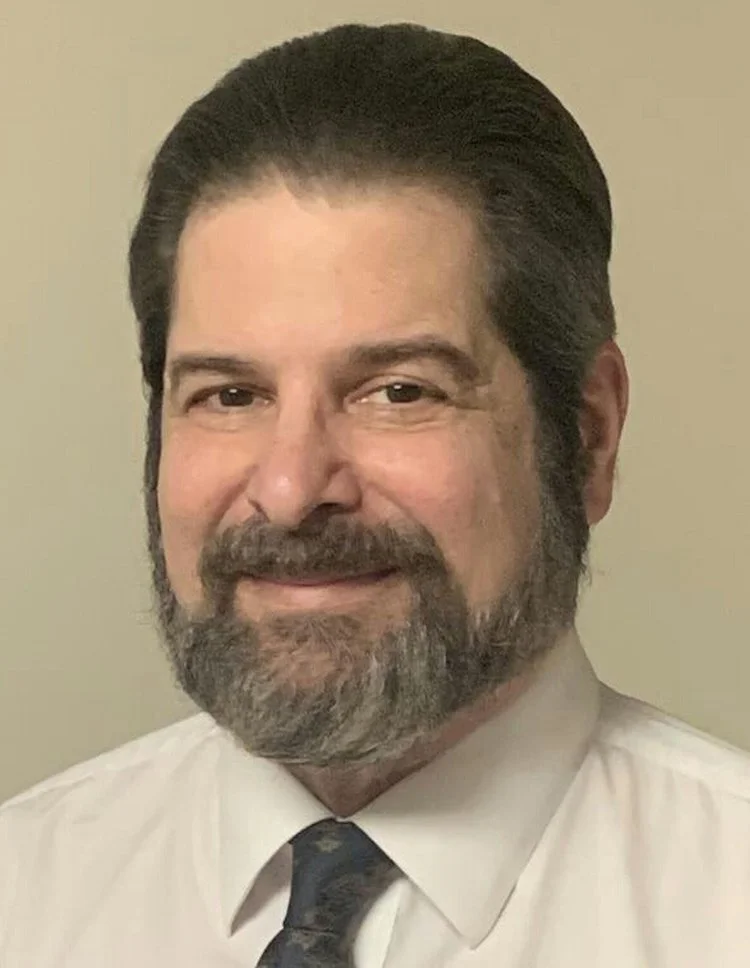
Joel E. Gordon, BLUE Magazine’s Editor-in-Chief, is a former Field Training Officer with the Baltimore City Police Department and is a past Chief of Police for the city of Kingwood, West Virginia. He has also served as vice-chair of a multi-jurisdictional regional narcotics task force. An award winning journalist, he is author of the book Still Seeking Justice: One Officer's Story and founded the Facebook group Police Authors Seeking Justice. Look him up at stillseekingjustice.com