Are Police Officers Alpha Types? Breaking down the Stereotype
/By: Joel E. Gordon
Hollywood loves to paint police officers as tough guys and gals who always take charge. Think of those action movies where cops charge in, guns blazing, never backing down. But does that mean real police officers are alpha types by nature? The truth is, the job calls for a mix of skills that go way beyond just being dominant.
Cops often show up in films and TV as the ultimate alphas—strong, fearless leaders who command respect with a single glare. This image sticks in our minds. But is the badge a magnet for alpha types, or does the job shape us that way?
In pop culture, an alpha means the top dog: aggressive, always in control. Psychologists see it differently. They talk about leaders who show confidence and smarts without the bully vibe. Real alpha traits include steady confidence and quick thinking. Pop culture twists this into raw power plays and constant fights for top spot. In policing, we see a blend. Officers must stand firm, yet not bulldoze everyone.
Society pushes some toward tough roles. During cop interviews, individuals might amp up their bold side to fit the mold. This can skew who gets picked. True leaders balance assertiveness with calm. Studies show high-status folks often score high on drive and poise. But toxic alphas? They crash hard under stress. Cops need the good stuff, not the bad.
Cops face chaos daily. We build resilience to bounce back from tough calls. Decisiveness helps in split-second choices. Yet, keeping emotions in check matters most. Ethical lines guide every move. Overlaps with alpha ideas? Sure—assertiveness shines in crises. But sensation-seeking can lead to “tombstone courage” type risks. Control needs stay balanced.
Research on recruits points to steady profiles. Many score average on thrill hunts. High ethics and calm rule the day. A 2019 study found 70% of officers’ value teamwork over solo heroics.
Key traits for cops:
Quick decisions under fire
Strong moral compass
Ability to stay cool
These beat raw dominance every time.
Getting into the police academy starts with sweat. Tests check speed, strength, and endurance. You run, climb, drag dummies—it's grueling. This weeds out the unfit and spotlights the strong. Folks who crush these feel dominant right away. The pool is fierce; often applicants apply for few spots and strut their stuff to stand out. Physical edge gives a confidence boost. But it's not just muscle. Agility ties to real job needs, like chasing suspects. Still, it feeds the alpha image from day one.
Interviews dig deep. Panels may ask about handling stress or tough crowds. Bold answers might win points. Do they favor loud confidence over quiet smarts? Polygraphs check honesty. Background digs uncover red flags. Candidates prep hard to seem stable and sure. This game rewards polished poise. Biases sneak in. Interviewers, often ex-cops, might like "tough guy" vibes. A 2022 report noted women and calmer men face steeper hurdles. Fairness pushes for change. Yet, core screens spot real fits. Emotional balance trumps showy flair.
Police setups run like armies. Clear chains of command keep order. You follow orders up top and give them below. This boosts those who thrive on structure and lead firm. Warrior mindset ruled old school—fight threats head-on. Now, guardian views stress protection and talk. Shifts happen slow. Ranks reward steady climbers who mix both. Hierarchy shapes daily life. Promotions favor reliable bosses. But rigid rules can stifle fresh ideas.
Bonds in cop units run deep. Shared risks build tight crews. Newbies feel pressure to match the tough talk. Showing soft sides? It can isolate you. Stories pop up of guys razzed for therapy chats. Studies from 2020 show 40% hide stress to fit in. This macho push harms health.
Yet, good teams value all strengths. Modern groups teach openness. Change brews from within.
Ways culture impacts officers:
Tight-knit support in crises
Pressure to act unbreakable
Slow shift to empathy focus
Balance comes with time.
Top brass often stick to direct orders. Bark commands, expect results. This fits old alpha molds. But smart leaders coach and inspire. Transformational styles lift teams. They build trust through listening. Data links these to lower burnout. A 2023 survey found 60% of chiefs now train in empathy. Crime drops when leaders guide, not just rule.
Cops wield power on duty. But it's for the moment, not all life. De-escalation saves days—talk down a heated scene. This needs smarts and heart, not just muscle. Picture a family fight. Force might worsen it. Calm words cool tempers. Success stories fill reports: 80% of calls end without cuffs, per FBI stats.
PTSD hits cops hard. One in five face it, says a 2021 study. Admitting struggle takes guts. Hiding it? That's the weak play. Help lines and peer talks grow. Officers who seek aid last longer. It's strength to face demons.
Tips for wellness:
Journal daily thoughts.
Hit the gym for conditioning and stress relief.
Chat with trusted colleagues.
Long careers demand this care.
Police life draws assertive souls, but it's no alpha factory. Hiring and culture nudge toward boldness. Yet, top cops master ethics, calm, and teamwork. Dominance alone falls short.
Key takeaway: Skills like judgment beat showy power. They keep streets safe.
Another point: Future policing needs guardians—ones who listen and are willing to hold back when appropriate and try empathy over endless fights but are capable warriors as necessary.
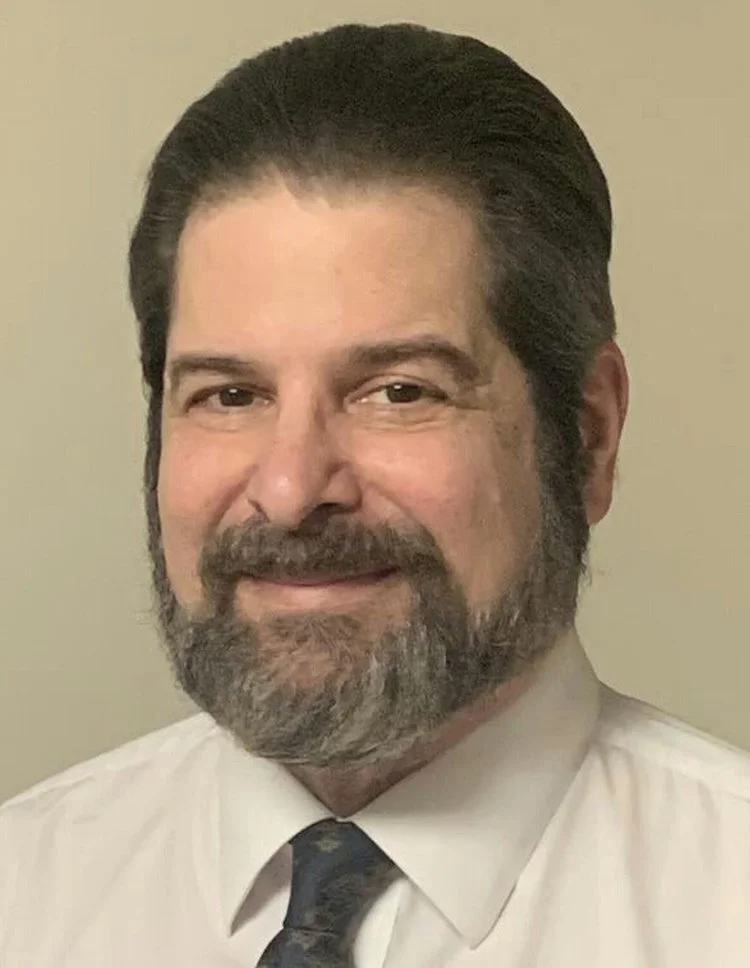
Joel E. Gordon, BLUE Magazine’s Editor-in-Chief, is a former Field Training Officer with the Baltimore City Police Department and is a past Chief of Police for the city of Kingwood, West Virginia. He has also served as vice-chair of a multi-jurisdictional regional narcotics task force. An award winning journalist, he is author of the book Still Seeking Justice: One Officer's Story and founded the Facebook group Police Authors Seeking Justice. Look him up at stillseekingjustice.com