Are Police Deemed Guilty Until Proven Innocent? Examining Public Perception vs. Legal Standards
/By: Joel E. Gordon
In the heart of every trial, the phrase "innocent until proven guilty" echoes like a promise. Yet, when it comes to police officers, that promise often feels shaky. High-profile cases, like the George Floyd incident in 2020, spark outrage and quick judgments from crowds online and in the streets. People demand answers fast, and officers end up facing a storm of blame before courts even open their doors.
This article digs into that gap. We look at how public views on police accountability clash with legal rules. Do media stories and social media clips make officers seem guilty right away? And how does the law push back against that rush? By the end, you'll see why sticking to due process matters for everyone.
The U.S. Constitution sets firm ground for fair treatment. It says no one faces punishment without solid proof of guilt. These amendments protect basic rights. The Fifth guards against self-incrimination and ensures due process in federal cases. The Fourteenth extends that to states, meaning every person is entitled to a fair shot in court.
For officers charged with crimes on duty, the burden falls on prosecutors. They must show guilt beyond a reasonable doubt. Officers don't have to prove they did nothing wrong. This keeps the system balanced and prevents snap decisions based on anger. Think of it like a heavy backpack—the prosecution carries it all the way. Officers just defend themselves. Without this, any job with risk, like policing, turns into a blame game.
Internal reviews check if rules got broken inside the department. They aim to fix policies or train better, not send anyone to jail. Criminal trials, though, demand hard evidence of law-breaking. Officers get special protections here. Garrity rights let them stay quiet in internal probes without losing their job. This splits the processes: one for work issues, one for crimes.
Internal affairs might suspend pay or shift roles.
Criminal cases need judges, juries, and proof that holds up.
This setup avoids mixing apples and oranges. It lets departments learn from mistakes while courts handle the big stuff. Rushing them together could lead to unfair outcomes.

Social media flips the script on slow justice. Videos go viral in minutes, and opinions form before facts do. This creates a shadow court where police face trial by tweet. Body cams and phone videos capture raw moments. They spread fast on platforms like Facebook, Twitter or TikTok. Viewers see a clip and decide—guilty or not—without the full story.
Confirmation bias kicks in too. If you already distrust cops, that video seals your view. Emotions run high, and nuance gets lost in the shares. Why does this hit police hard? Their job involves tough calls under pressure. A single frame can't show the fear or split-second choice. Yet, public perception of police often starts and ends there. Take the 2014 shooting of Michael Brown in Ferguson Missouri. Protests erupted before investigations wrapped. Media coverage painted officers as aggressors, pushing for quick charges.
Experts note this "rush to judgment." A 2022 study from the Pew Research Center found 60% of Americans form opinions on police incidents via social media first. That speed warps reality, turning perception into presumed guilt. This shows the power of quick narratives. They pressure leaders to act, even if courts later disagree.
After a shooting or rough arrest, probes start right away. Teams collect evidence, interview witnesses, and review footage. But the path to charges twists through layers of checks. Grand juries decide if enough evidence exists for trial. They hear from prosecutors in secret, away from public eyes. This step is intended to filter weak cases early.
Independent groups, like state agencies, often lead these reviews. They keep things neutral, separate from the officer's department. Still, if no charges come, crowds cry cover-up.
Prosecutors hold big sway. They weigh intent and context. When they drop charges, it means proof fell short—not that nothing happened. But to the public, it can look like protection for "one of their own."
Lawyers for officers focus on "objective reasonableness." Under the Fourth Amendment, force is okay if a reasonable cop would use it then. They rebuild the scene to show why action was needed.
Proving intent gets tricky. Was it murder or self-defense? Defenses use expert testimony on stress and training.
Pre-trial buzz hurts here. Juries exposed to news might lean biased. Lawyers ask for venue changes to find fairer pools. It's a battle against the media's head start.
This process upholds standards. It asks: Did the officer break the law or the public's trust? Quick blame doesn't just sting—it changes lives and forces. Officers on leave feel the weight, even if cleared later. Departments scramble to keep morale up amid the fallout.
Suspensions hit right after incidents. It's standard to pull officers off streets while facts come out. Does that scream guilt? Not legally, but it feels that way to families and peers.
Recruitment suffers too. Who wants a job where one bad video ends your career? A 2023 survey by the Police Executive Research Forum showed 40% of agencies facing shortages, partly from this fear.
Departments now train on optics. They stress de-escalation to dodge viral moments. But tolerance wears thin when public eyes watch every move. Concern over optics must not outweigh safety concerns.
Stats paint a clear picture. From 2013 to 2020, the Cato Institute tracked officer-involved killings. Of cases charged, about 30% led to convictions—far below 90% for general murders.
Acquittals often stem from lack of proof on intent. In the broader population, conviction rates hover higher because cases build slower. For cops, the high-stakes nature muddies waters. This gap fuels debates. It shows legal wins don't always match public demands for police accountability.
Bridging public views and legal facts takes work. Agencies must share info smartly, without tipping probes. Trust grows when people see fairness in action. Start with facts only. Release timelines and what videos show, but hold back witness names. Regular updates calm nerves and cut rumors.
Hold community meetings soon after events.
Use clear websites for case statuses.
The rule of law demands proof for all. Officers enforce it daily, so they deserve it back. Dropping that for anyone weakens the whole system. We need balance: Scrutiny keeps cops sharp, but blind blame erodes morale. Uphold innocence until courts say otherwise—it's the glue holding justice together.
Public push for police accountability has grown, especially after tough cases. Yet, the law sticks to "innocent until proven guilty" for officers and civilians alike. This tension tests our system, from media storms to courtroom fights.
Key points stand out. Legal protections like the Fifth Amendment ensure fair trials. Public opinion, fueled by quick videos, often presumes guilt first. Investigations and data show acquittals are common, highlighting proof's role. In the end, strong oversight and clear talk build trust.
What if we all waited for facts before judging? That shift could heal divides and strengthen rights for everyone.
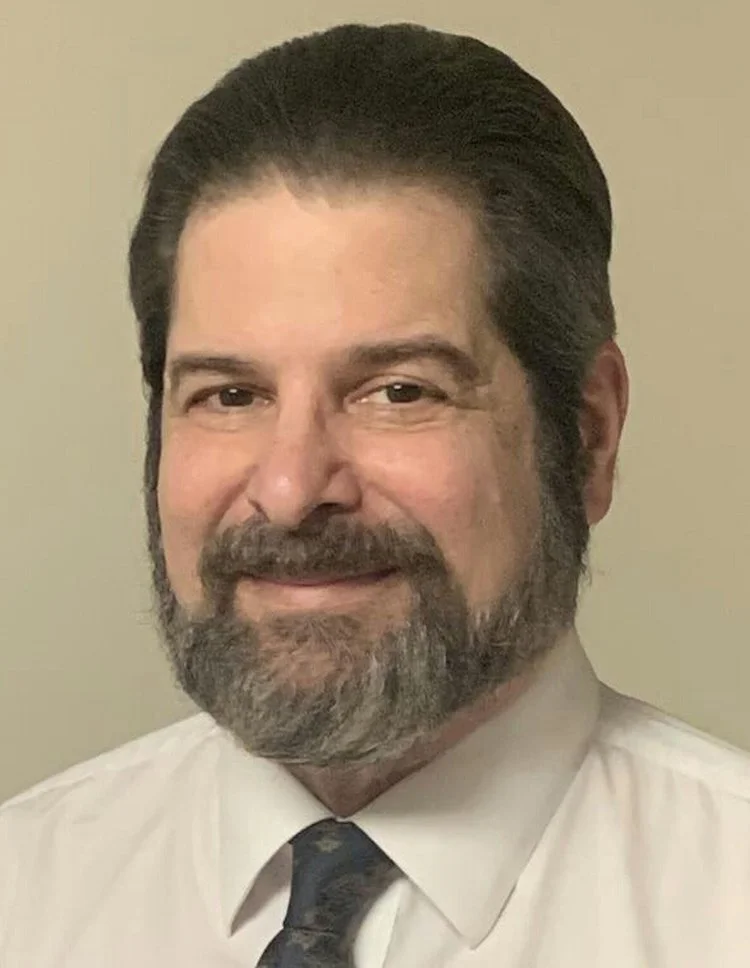
Joel E. Gordon, BLUE Magazine’s Editor-in-Chief, is a former Field Training Officer with the Baltimore City Police Department and is a past Chief of Police for the city of Kingwood, West Virginia. He has also served as vice-chair of a multi-jurisdictional rural regional narcotics task force. An award winning journalist, he is author of the book Still Seeking Justice: One Officer's Story and founded the Facebook group Police Authors Seeking Justice. Look him up at stillseekingjustice.com