Improving Law Enforcement and Autistic Individuals Interactions for Community Safety
/By: Joel E. Gordon
Effective communication between police officers and community members is vital. When the situation involves law enforcement and autistic individuals, this task becomes more complex. Many officers receive little or no training on how to handle these encounters. This gap can lead to misunderstandings, fear, and dangerous situations for everyone involved. By agency support in learning more about autism, officers can build trust, improve safety, and serve their communities better.
Having an autistic non-verbal grandchild in my own family here is what I know...
Autism is a spectrum. This means every autistic person has different strengths and challenges. Police work often requires fast thinking and quick reactions. These demands can clash with the communication styles of autistic people. Without understanding these differences, an officer might wrongly assume an autistic person is acting with defiance or guilt.
Autism Spectrum Disorder, or ASD, is a developmental condition. It changes how a person sees the world and communicates with others. Core traits often include differences in social interaction, sensory processing, and patterns of behavior. For example, an autistic person might not make eye contact or might repeat words. They may have intense interests or struggle with changes in routine. These traits are not signs of wrongdoing. They are simply how some people experience the world.
Misunderstandings often occur during police stops. An officer might issue a command like "Stop right there" or "Show me your hands." An autistic person may not process these words quickly. They might take instructions too literally or be unable to speak under stress. They may also avoid eye contact, which some officers wrongly interpret as hiding something. These communication barriers are common, but they do not mean the person is non-compliant.

Police encounters involve flashing lights, loud sirens, and fast movements. These sensory inputs can be overwhelming for many autistic people. When they feel threatened or overstimulated, they may experience a meltdown or a shutdown. A meltdown can look like yelling or aggressive movement. A shutdown can look like becoming non-responsive. An officer might see these reactions as a threat when the person is actually experiencing intense fear and sensory distress.
Officers can change their approach to make interactions safer for everyone. Small adjustments in how they talk and act can de-escalate a situation quickly. The goal is to move from a place of pressure to a place of cooperation.
Clear communication is the most effective tool for an officer. Use short, direct sentences. Avoid using slang, sarcasm, or idioms. These figures of speech can be very confusing. Give the person plenty of time to process what you have said. If they do not respond right away, wait a few seconds before repeating the request. If possible, offer to write instructions down or use simple visuals.
If a situation starts to escalate, stay calm. Speak in a quiet, steady voice. Reduce sensory input whenever you can. Turning off sirens or flashing lights can help lower the person’s anxiety. Ask if they need to sit down or if they need space. Avoid physical contact unless it is necessary for safety. If the person is non-verbal, ask if they have a communication aid or a phone they use to speak.
Specialized training is the best way to improve these interactions. Officers need to understand what autism is and how it may manifest in a police encounter. A survey of officers found that 73% reported receiving no formal training on interacting with citizens with autism. This must change. Training should be ongoing and practical, not just a one-time class.
Programs like the Crisis Intervention Team (CIT) training are effective. Some agencies now use autism-specific modules. These classes teach officers how to spot the signs of autism. They also provide hands-on practice for communication techniques. Agencies that use these training programs report fewer escalated incidents and better outcomes for all community members.
Experts in the field agree that training saves lives. Law enforcement trainers often emphasize that an officer’s knowledge is their best defense. By preparing for these interactions before they happen, officers can act with confidence. This helps them identify potential issues early and handle them with care.
Autistic people and their families can also take steps to prepare for police interactions. Being ready ahead of time can make a stressful situation much easier to manage.
Autistic individuals can carry tools that help explain their needs. An identification card can state that the person is autistic and may have trouble with speech or sensory input. It can also list a contact person for emergencies. Practicing what to do if stopped by police can also help. Many people find it helpful to role-play these scenarios with a trusted adult. Understanding basic rights, like the right to remain silent, is also important.
Families should build a safety plan. Document the sensory needs and communication style of your family member. Keep this information in a place where it is easy to find. Make sure your family member has a form of ID, like a bracelet or a card, that indicates they are autistic. It can also be useful to let local police know about family members who might need special approaches.

Many organizations offer help. The Autism Society provides resources for first responders and families. Other groups create programs to help bridge the gap between police and the disability community. Look for local resources in your city or county. These groups often have training kits and safety materials.
Proactive collaboration brings everyone together. It builds trust before an emergency happens. Police departments that work with the community are more effective at serving all their residents.
Agencies should invite community members to participate in training. Let autistic people and their advocates speak to officers about their experiences. Host community forums where families can ask questions. These dialogues break down barriers and create a shared understanding.
Community policing focuses on partnerships. It emphasizes problem-solving and trust over traditional enforcement tactics. This model is ideal for serving neurodivergent populations. By spending time getting to know people in the community, officers can learn who might need special approaches during an encounter.
Successful stories show that collaboration works. Some departments and 911 centers have created registries for people with special needs. Others have launched outreach programs that include autistic self-advocates. These efforts have led to safer outcomes and improved relationships between law enforcement and the local community.
Autistic individuals have the same legal rights as everyone else. Laws exist to protect people with disabilities from discrimination. Advocacy efforts aim to ensure these laws are followed during police interactions.
Everyone has the right to be treated with respect. This includes being free from unreasonable search and seizure. Communication differences should not be used as an excuse to ignore these rights. It is important for both officers and autistic individuals to understand that rights apply to everyone.
Advocacy groups work to change police policies. They push for mandatory autism training for all officers. They also work to create more inclusive systems. These organizations provide a voice for autistic people and their families in the justice system.
Legal cases have helped define how police should treat individuals with disabilities. Courts have looked at whether police followed proper procedures. These cases set standards for officer conduct. They serve as a reminder that proper training is a legal and ethical necessity. Officers rely on their agencies to provide this necessary training.
Improving interactions between law enforcement and autistic individuals is a long-term goal. It requires continuous effort from police, families, and the wider community.
Key Takeaways for Law Enforcement and the Community
Communication is the most important skill for a safe interaction.
Understanding autism helps officers distinguish between behavior and threat.
Training programs lead to better outcomes for everyone.
Preparation and self-advocacy tools empower autistic individuals.
Collaboration builds trust and creates safer neighborhoods.
Inclusive public safety is an ongoing process. It requires regular learning and a commitment to change. Police departments must prioritize training. Families must continue to advocate for their loved ones. By working together, we can ensure that encounters are safe, respectful, and effective.
Consistent effort will lead to a community where everyone feels understood and protected. Failure to do so is destined to result in tragedy.
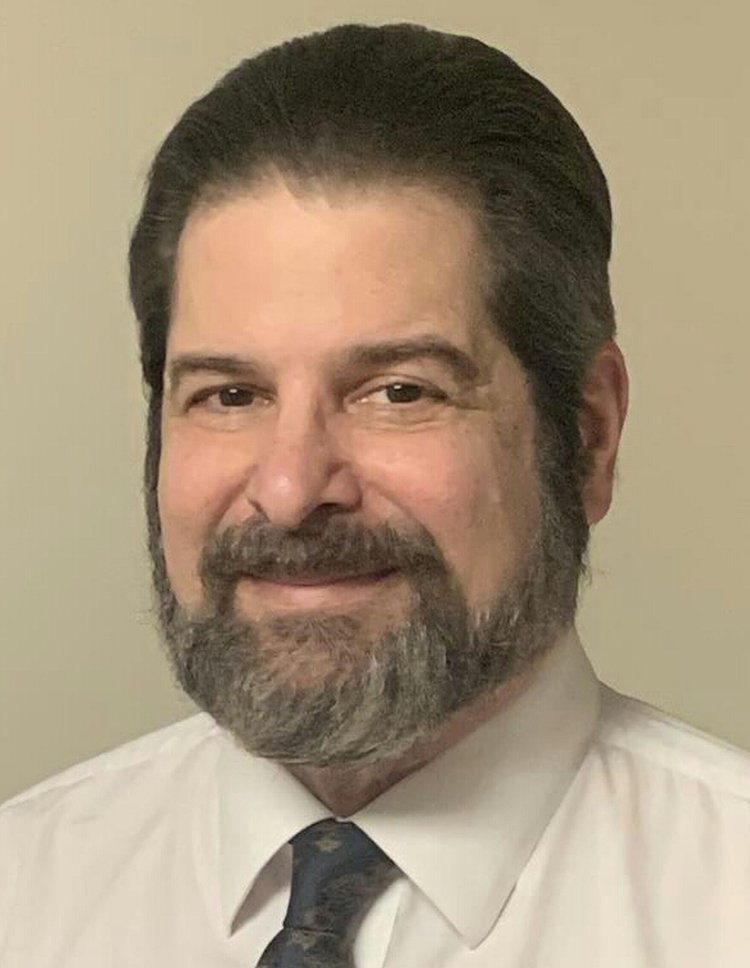
Joel E. Gordon, BLUE Magazine’s Editor-in-Chief, is a former Field Training Officer with the Baltimore City Police Department and is a past Chief of Police for the city of Kingwood, West Virginia. He has worked with the National Alliance on Mental Illness (nami.org) in efforts to subside the criminalization of those with special needs. He has also served as vice-chair of a multi-jurisdictional rural regional narcotics task force. An award winning journalist, he is author of the book Still Seeking Justice: One Officer's Story and founded the Facebook group Police Authors Seeking Justice. Look him up at stillseekingjustice.com