
Seeking Truth in Difficult Times: Why We Must Examine Trends without Fear or Favor
/By: Lt. Joseph Pangaro CPM, MOI
In moments of national tension, when violence erupts and headlines flash across our screens, the instinct to retreat into familiar narratives is powerful. We look for explanations that fit our worldview, or we reject uncomfortable information because it threatens our sense of stability. But a healthy society cannot afford to operate this way. If we want to prevent future violence—no matter where it comes from—we must be willing to examine facts honestly, even when the topics are emotionally charged or politically sensitive.
In recent weeks, two major activeshooter incidents—one in Canada and one in Rhode Island—have drawn intense public attention. In both cases, the individuals identified as the shooters were transgender. Almost immediately, some voices began claiming that the “last 8–10 active shooter incidents” involved transgender individuals, suggesting a trend of rising violence within the transgender community. Others dismissed the idea outright, arguing that even raising the question is discriminatory.
My purpose here is not to validate either of those reactions. Instead, it is to argue that we cannot afford to let fear, ideology, or social pressure prevent us from asking legitimate questions. If there is no trend, then responsible analysis will reveal that, and the public conversation can move forward with clarity. If there is a trend, even a small or emerging one, then identifying it early could help prevent future tragedies. Either way, truth—not assumption—must be our guide.

For police agencies and investigators we must seek to understand any kind of trends in criminality or violence so we can properly investigate incidents that take place in our communities.
The challenge is that modern society often treats certain topics as offlimits. Discussions involving gender identity, race, religion, or political affiliation can quickly become emotionally charged. People worry that even asking a question will be interpreted as an attack. But refusing to examine data does not protect anyone. In fact, it can do the opposite. When people feel that certain subjects are taboo, speculation fills the void. Rumors grow. Misinformation spreads. And the public becomes more polarized, not less.
A responsible society does not jump to conclusions, but it also does not shy away from inquiry. The key is to approach the issue with discipline, fairness, and respect for human dignity.
A short while ago I addressed the need for police officers to get an understanding of the “Incel” community for the same reasons we must understand the Transgender community as more than another group of people out in the world. While we are all people no matter our beliefs, religions, races or any other factor that puts us into unique groups, understanding the “norms”, rituals, beliefs, or ideology of any group helps us gain insight into why things happen in any given group and why someone did something. It also helps us in several other ways when investigating a crime or answering a call for service for anyone in our service area.
A completely homogenous community where everyone, even the officers who work there, know everything about the community makes it easier to police. Everyone understands how people interact.
But if we have to interact with communities we don’t understand we can misinterpret information, miss clues to why something happened, or use inappropriate words or terms that can create distrust between police and community.
I want to be clear here, that does not mean we have to agree with every group; how they interact or what they believe is right or wrong, our job is always to understand the “Truth” of any incident. Knowing who the players are and what they are all about helps us to decipher actions and words and get to that truth.
This is why it is imperative to understand what other people believe and how they interact with the world around them.
First, we must acknowledge that individuals who commit acts of mass violence are just that—individuals. Their actions do not automatically represent the communities they belong to. The overwhelming majority of transgender people, like the overwhelming majority of all people, are peaceful and lawabiding. To imply otherwise would be unjust.
Second, we must recognize that identifying a trend is not the same as assigning blame. Trends are patterns in data, not moral judgments. Public safety professionals, researchers, and policymakers routinely study trends involving age, gender, mentalhealth history, criminal background, and countless other factors. The goal is always the same: to understand risk so that lives can be saved.

Third, we must insist on rigorous, evidencebased analysis. Claims about “the last 8–10 incidents” must be verified, not repeated. Data must be collected, not assumed. Context matters. Motive matters. Mentalhealth history matters. Social isolation, online radicalization, and personal grievance matter. Without careful study, any claim—whether it suggests a trend or denies one—remains speculation.
Finally, we must cultivate the courage to follow the truth wherever it leads. If the data shows no meaningful pattern, then we should say so clearly and push back against unfounded narratives. If the data shows a pattern worth examining, then we should address it openly and compassionately, without demonizing anyone. Truth is not the enemy of justice; it is the foundation of it.
The broader point is this: a society that refuses to look at difficult questions cannot solve difficult problems. We cannot prevent violence by pretending that certain lines of inquiry are forbidden. Nor can we build trust by allowing fear or ideology to dictate which facts are acceptable to discuss.
Our responsibility is to pursue truth with humility, empathy, and intellectual honesty. That means resisting the urge to weaponize tragedy for political gain. It means refusing to stereotype entire communities based on the actions of a few. And it means insisting that public safety decisions be grounded in evidence, not emotion.
In the end, the goal is simple: to understand reality as it is, not as we wish it to be. Only then can we protect our communities, support those who are vulnerable, and build a society where difficult conversations are not avoided but embraced as part of our shared commitment to truth. And finding the truth is the ultimate goal of investigation just as justice for all is our mission.
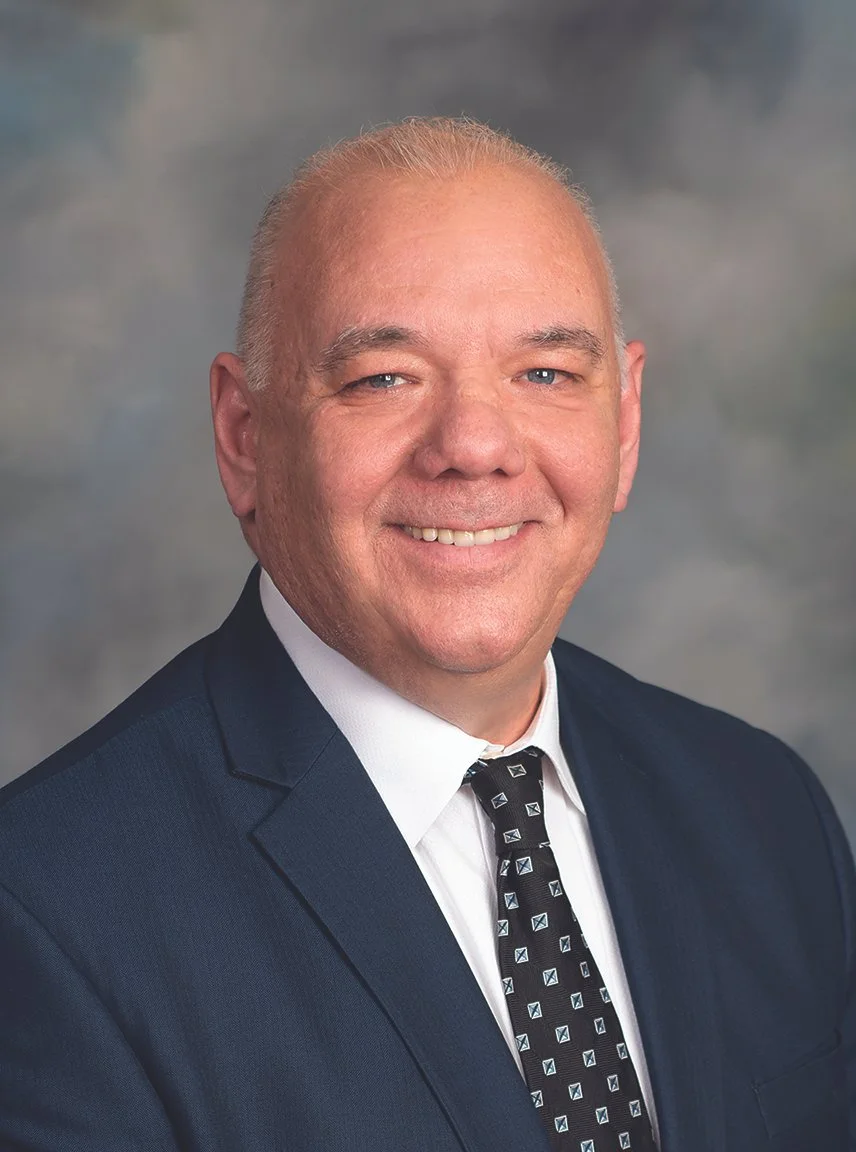
Joseph Pangaro is a 27-year veteran of law enforcement. He retired in 2013 at the rank of Lieutenant and currently serves as the Director of School Safety and Security for a large school district in NJ. He is also the owner of Pangaro Training and Management, a company that provides training to the public and private sector on a host of topics. Email: Joe@PangaroTraining.com, www.PangaroTraining.com. “The Blue Heart Webcast” www.You-Tube.Com/@BlueHeartWebcast & host of “The Human Equation” at 9 PM on AmericaOutLoud.news Thursdays and Fridays.