The Unbreakable Shield: Mastering Mental and Emotional Toughness in Modern Law Enforcement
/By: Joel E, Gordon
Picture this: You're a police officer facing a chaotic street brawl at midnight. Shouts echo, fists fly, and one wrong move could end it all. In that split second, toughness isn't about who hits hardest—it's about keeping your head clear, your heart steady, and your choices right.
Old-school views paint cops as tough guys who shrug off pain like it's nothing. But today's policing demands more. It's mental and emotional strength that lets you handle trauma, doubt, and pressure without breaking. Think of it as an inner shield against the storm.
Law enforcement throws curveballs that test your limits every shift. You deal with violence, loss, and endless red tape. Without solid mental toughness in police work, these hits can wear you down fast. Officers face a mix of sharp shocks and slow grinds. Both chip away at your edge if you're not ready.
Sudden events hit like a punch to the gut. A shooting, a car wreck, or a child's cry in danger—these acute stresses flood your brain with fear. Your body kicks into fight-or-flight mode, heart pounding, thoughts racing. Then there's the daily drip of chronic strain. Endless paperwork, rude calls, or seeing the same sad stories repeat. Over time, this builds up. You might pick up vicarious trauma just from hearing victims' tales, feeling their pain as your own.
Stats show the toll. About 20% of officers deal with PTSD symptoms after big incidents. Chronic stress? It leads to sleep issues and short fuses for half of all cops, per recent surveys. Spotting these early helps you fight back.
Every move you make is on camera now. Body cams, dash cams, cell phones—it's all recorded. One viral clip can twist your actions into something ugly, even if you did it by the book. Then social media amps it up. A quick post calls you out, and suddenly you're the bad guy. This constant watch adds a layer of doubt. Do I act? Wait? The fear of backlash makes split-second calls tougher. You need emotional toughness for cops to push through. It builds that inner voice saying, "Stick to your training." Departments now train on this, teaching you to tune out the noise and focus on the facts.

Trust cracks in this job. You see the worst in people, and sometimes in your own ranks. Protests yell "defund," and colleagues turn quiet about their struggles. This leaves you alone in a crowd. Friends outside the force don't get it; inside, you fear looking weak. Isolation creeps in, making every shift feel heavier. Building walls helps at first, but true toughness means letting in safe support. It's knowing when to talk without shame. Many officers say this shift cut their stress in half.
Toughness in law enforcement isn't vague—it's skills you can sharpen. On the street, it shows in how you think, feel, and stand your ground. These traits keep you effective. They turn chaos into control.
Your brain is your first weapon. In a crisis, adrenaline clouds it, shrinking your focus to basics. Toughness here means quick thinking—spotting threats, weighing options, and picking the safe path.
Take a foot chase: Suspect darts into traffic. Do you follow? Call backup? Stress inoculation builds this muscle. Its practice under fake pressure so real stress feels familiar. Psych studies back it. Trained officers make 30% fewer errors in high-heat drills. You stay sharp, avoid rash moves, and save lives—yours and others'. Real strength is ice-cold calm when tempers flare. You breathe deep, read the room, and talk folks down.
De-escalation works because of this. A yelling suspect calms when you stay even. It's not weakness—it's control that ends fights before they start. Think of it like a pressure valve. Let emotions build, and boom. Regulate them, and you steer the ship. Training drills this: Role-play arguments until calm becomes habit.
Spot your triggers: Anger from past calls?
Pause and count: Three seconds to reset.
Use open questions: "What's going on?" invites talk, not fists.
Pressure comes from all sides. Buddies bend rules; bosses push quotas; crowds boo. Toughness means holding the line—doing right even if it costs you. This fights cynicism, that trap where you stop caring. Instead, you choose integrity. Stand firm; it's your badge's true weight.
You don't wake up tough—you train for it. Like gym reps for muscles, mental drills build your shield. Departments and you can make this happen. Start small, build big. Consistency wins.
Stress Inoculation Training (SIT) puts you in the fire without real risk. Simulators blast noise, lights, and actors playing perpetrators. Heart rate spikes; you practice calls under load. Real examples shine. LAPD's program cut use-of-force complaints by 15%. Officers say it feels like game day—predictable, not panic.
Try it yourself:
Find a trainer or app for stress drills.
Start low: Simple talks with timers.
Ramp up: Add distractions like alarms.
This habit turns fear into focus.
Mindfulness quiets the storm inside. Box breathing: In for four counts, hold four, out four, hold four.
Tactical pause? Before acting, breathe and scan. Asks: Threat level? Backup near? It buys seconds that save minutes.
Officers who use this report clearer heads. One study found breathing cuts reaction time errors by 40%. Practice daily: Morning coffee? Breathe through it.
Box method for calm.
Grounding: Name five things you see.
Night wind-down: Five-minute scan of the day.
No one toughs it out alone. Peer groups let you vent safe. Share a bad call; get nods, not judgment. Mentors guide newbies. They spot signs of strain early. You're part of a team—lean on it.

Skip mental toughness, and the job eats you alive. Wellness ties straight to it. Strong mind means long career, happy home. Lack it? Burnout hits hard. Burnout sneaks up—exhaustion, doubt, no joy in the badge. Toughness balances hard shell with soft care. You help without draining dry.
Self-care fits in: Gym time, hobbies, and days off. It keeps empathy alive. Without it, you turn numb, missing real threats. Balanced toughness keeps you giving without giving out.
The job's dark side shows in numbers. Officer suicides top line-of-duty deaths. Stigma says "man up," but asking for help is peak strength.
PTSD hides in silence. Flashbacks, anger bursts—signs you need aid. Therapy isn't quit; it's reload. Toughness saves lives, starting with your own.
Shifts end, but stress lingers. You bring home the edge, snapping at kids or zoning out. Off-ramping clears it. Try routines: Drive home slow, music on. Shower off the day. Journal: What went right? Wrong?
Family’s notice. One officer's rule—no gun talk at meals—saved his marriage. It protects what matters most.
Toughness in law enforcement is your core gear. We've covered the strains: Trauma hits, scrutiny bites, trust fades. Key parts include quick thinking, calm control, and ethical grit. Building it takes work—SIT drills, breath tricks, peer backs. Link it to wellness: Dodge burnout, face struggles head-on, switch off clean.
The best shield? Your trained mind; It guards you, your team, the public. Start today: Pick one tool, use it. Your next shift will thank you. Stay tough—stay true.
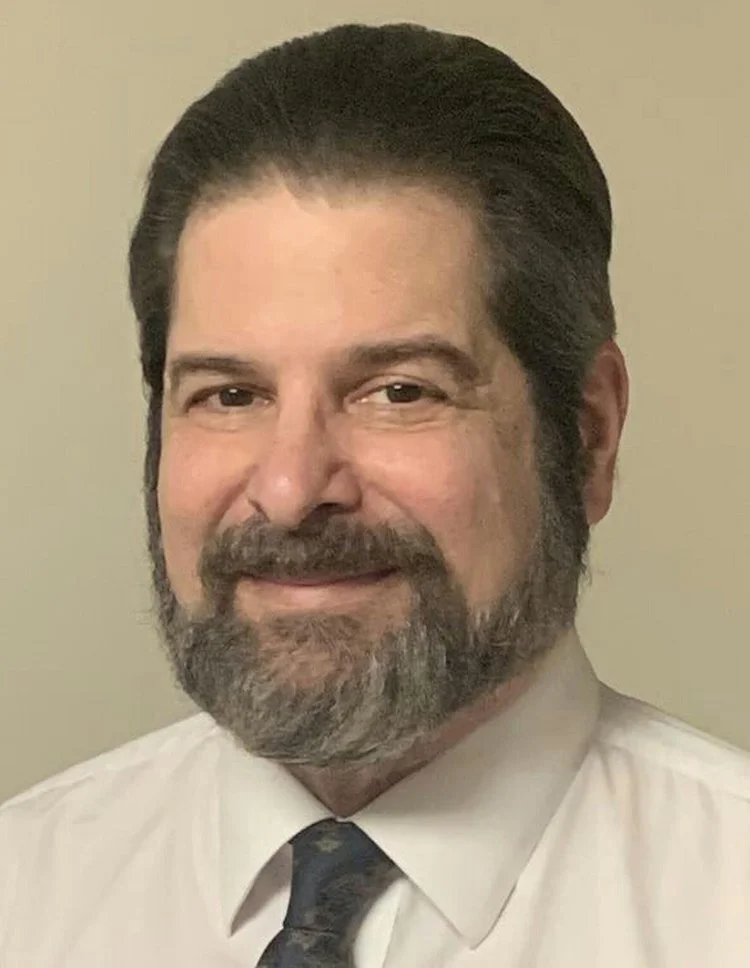
Joel E. Gordon, BLUE Magazine’s Editor-in-Chief, is a former Field Training Officer with the Baltimore City Police Department and is a past Chief of Police for the city of Kingwood, West Virginia. He has also served as vice-chair of a multi-jurisdictional regional narcotics task force. An award winning journalist, he is author of the book Still Seeking Justice: One Officer's Story and founded the Facebook group Police Authors Seeking Justice. Look him up at stillseekingjustice.com